


October 9, 2025, 4:43 am | Read time: 4 minutes
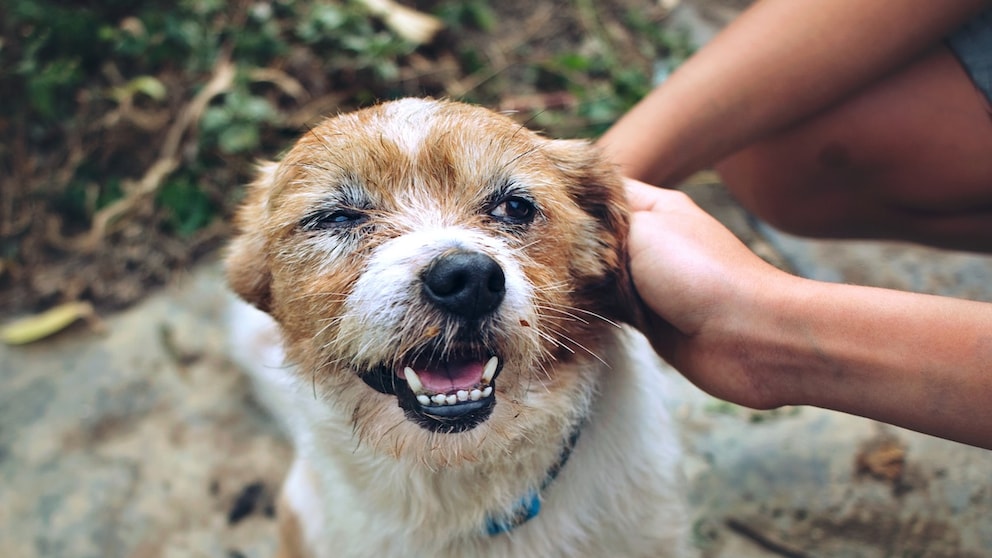
Many dog owners know it: The dog gets older–and somehow also more stubborn. But is what some call “old age stubbornness” in dogs really defiant behavior? Dog trainer Katharina Marioth explains in an interview why the supposed stubbornness often has entirely different causes–and how to properly support your four-legged friend in their senior years.
“When we talk about old age stubbornness in dogs, it’s primarily a human label,” says Katharina Marioth. The term helps to view some behaviors of older dogs with a wink–such as when they are no longer as obedient as they used to be. But in reality, it’s mainly the physical and emotional needs of the animals that change with age. “There’s no defiance behind it, just a completely natural process,” says Marioth.
The “Second Puberty” in Old Age
Many dogs go through a kind of second puberty in their senior years. “In large breeds, this usually begins between the eighth and tenth year of life, while in smaller dogs, it often starts at eleven or twelve,” the trainer explains. During this phase, many animals test rules and boundaries again–similar to their youth. For owners, this can seem exhausting, but Marioth emphasizes: “It has nothing to do with stubbornness. It’s more a sign that something is changing in the brain and body.”
What many perceive as stubbornness or old age stubbornness in dogs often has physical causes. As they age, hearing and vision decline, joints become stiffer, and pain occurs. “When a dog suddenly doesn’t jump into the car anymore or stops during a walk, it’s rarely disobedience,” says Marioth. “Usually, it’s because they are in pain or simply can’t see as well anymore.”
Therefore, it’s important not to confuse physical complaints with bad behavior. “I recommend having a comprehensive geriatric blood test done annually from about the age of seven,” says the trainer. This way, health changes can be detected early and properly assessed.
When Dogs Suddenly Become Insecure
Many owners observe that their dog reacts more fearfully in old age, in the dark, or in crowds. Here, too, Marioth often sees the cause in declining senses. “When a dog no longer fully perceives their surroundings, they naturally feel more insecure,” she explains. In addition, there are often painful paws or joints that go unnoticed. Walking then becomes more of a stop-and-go round–not because the dog doesn’t want to anymore, but because they need to look more closely and gather information.
Stay Active–But in Moderation
So how can owners support their older dog without overwhelming them? Marioth advises following the “pleasure principle”: “The dog should enjoy the activity but not be overburdened.” Instead of big jumps at the dog park, quieter activities such as Hoopers, Rally Obedience, or Mantrailing are good alternatives. This keeps the dog mentally challenged without exhausting them physically.
“You should adapt the activity to the age, but not just stop doing things together,” says Marioth. “Many older dogs enjoy solving small tasks or learning tricks–just at their own pace.”

Dog Trainer Reveals: “I Would Immediately Decline These 5 Jobs”

Does My Dog Know When I’m Pregnant?
When the Dog Becomes “More Complicated” with Age
Many of her new clients actually come to her only when the dog is eight or nine years old. “Between the fourth and seventh year of life, it’s usually quiet,” Marioth says. “But after that, inquiries increase again because many notice that their dog is changing.”
Before starting training, the trainer always prioritizes medical clarification: “I look at the gait, we talk to the veterinarian, and I always want current findings. Only then can we rule out that pain is behind a behavior.” Only when health causes are excluded does Marioth work with the owner to reshape living together–adapted to the dog’s new life phase.
Conclusion
When dogs seem more stubborn as they age, it has nothing to do with old age stubbornness. They change. Their senses decline, their needs change. Recognizing this can do a lot to ensure that the four-legged friend still enjoys life in old age. “The most important thing is that we adjust our expectations,” says Katharina Marioth. “Then the relationship in old age can even become closer than before.”

About the Expert
Katharina Marioth is the founder of the Stadthundetraining brand and the KEML principle. She is an IHK- and government-certified dog trainer and behavioral assessor for dangerous dogs in the state of Berlin. In her daily business, she works closely with veterinarians, scientists, and other specialists on dog-related topics. With her knowledge and skills, she secured the title of Dog Trainer of the Year 2023 in the Sat.1 show “The Dog Trainer Champion.”