

April 16, 2026, 11:08 am | Read time: 5 minutes
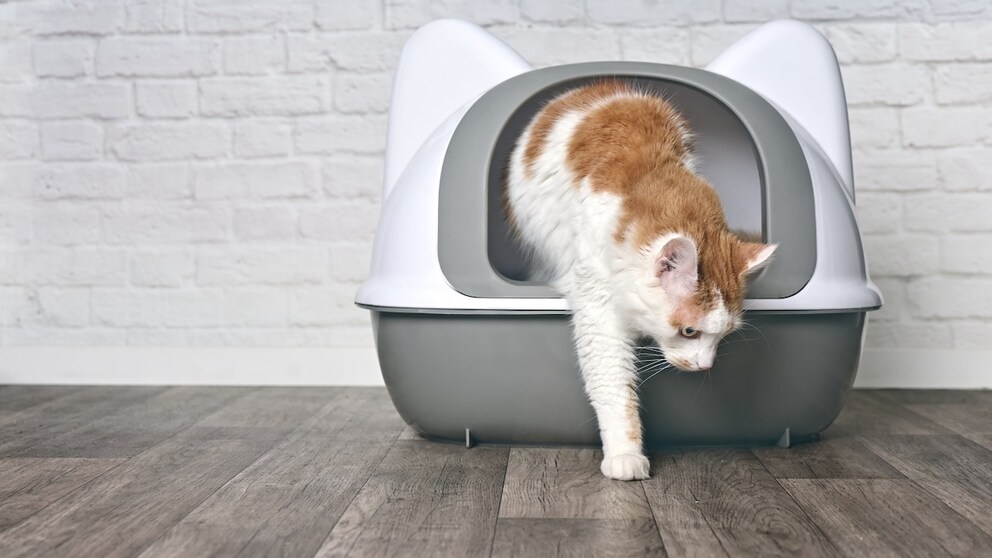
Some cat owners are familiar with the situation: The cat sits noticeably often in the litter box, the stool is unusually soft or even liquid. Perhaps the animal eats less or seems calmer than usual. Such changes are quickly dismissed as temporary in everyday life. PETBOOK explains how this happens, which signs should be taken seriously, and when quick action is important.
What Happens in the Cat’s Body
The cat’s digestive tract breaks down the ingested food, absorbs nutrients, and excretes indigestible components. During this passage, the intestine deliberately extracts water from the food pulp—this is how solid stool is formed.
In the case of diarrhea, this process becomes unbalanced. The intestine moves the contents along too quickly or extracts too little fluid. As a result, the stool remains soft to watery.
At the same time, the body consciously reacts with diarrhea: It tries to expel intolerable or harmful substances as quickly as possible. The problem is that important electrolytes are lost with the fluid. These minerals are needed by the body for functions such as muscle and heart activity. A prolonged loss can significantly strain the organism.1
Common Causes of Diarrhea in Cats
Diarrhea in cats is not an independent disease but a symptom with various triggers. It is often difficult for owners to pinpoint the exact cause. However, some factors are particularly common and can be categorized into typical groups:
- Diet and Food Changes: Unsuitable or spoiled food and a too-rapid change in diet can irritate the gastrointestinal tract. Food intolerances or allergies are also common causes.
- Parasite Infestation: Worms, Giardia, and coccidia can inhabit the cat’s intestine and cause diarrhea. Cats with outdoor access have a higher risk of infection.
- Infections: Viruses, bacteria, and fungi can cause gastrointestinal diseases that are accompanied by diarrhea. Younger animals are more frequently affected.
- Organic and Chronic Diseases: Diseases of the pancreas, liver, or thyroid, as well as chronic intestinal inflammation (immune system dysregulation), can be behind persistent diarrhea. In rare cases, tumors or foreign bodies in the intestine also play a role.
- Poisoning and External Influences: Toxic plants, chemicals, or certain medications can damage the digestive tract. Stress, such as changes in the environment, can also promote diarrhea.
The exact cause in individual cases can usually only be determined through a veterinary examination.2
How the Veterinarian Determines the Cause
To find out where the diarrhea comes from, a veterinary examination is crucial. First, the veterinarian assesses the cat’s overall condition. This includes palpating the abdomen and checking the pulse and body temperature.
For a more precise assessment, further examinations often follow. Stool samples can provide clues about parasites, while blood tests reveal fluid balance and possible organ diseases. Depending on the findings, imaging techniques such as ultrasound or X-rays are used to detect changes in the abdominal area or foreign bodies.
It is also important to distinguish between acute and chronic diarrhea. Acute diarrhea occurs suddenly and often resolves quickly. Chronic diarrhea develops over a longer period or recurs and should be investigated more thoroughly.
Focus of Treatment
Treatment always depends on the cause of the diarrhea. The first step often focuses on compensating for fluid loss, as cats can quickly become dehydrated due to diarrhea. Signs include sticky gums, sunken eyes, or reduced skin elasticity.
Depending on the condition, the cat receives infusions at the veterinarian or special electrolyte solutions. Additionally, easily digestible food is often used to relieve the gastrointestinal tract.
Once the cause is identified, targeted treatment follows. Parasites are combated, and bacterial infections are treated accordingly. If an organ disease is the underlying issue, the treatment focuses on this primary condition. The veterinarian decides which measures are necessary in each case.3

Did You Know? Why Dog Farts Smell So Bad

Feline zoonoses: Cats can transmit these diseases to humans
How Quickly Diarrhea in Cats Subsides
How quickly diarrhea in cats resolves largely depends on the cause. In many cases, such as mild stomach upset or temporary irritation of the intestine, the symptoms resolve on their own.
If the cause is identified and treated, the outlook is generally good. It can become critical if the diarrhea persists or is accompanied by severe fluid loss. Young, old, or weakened cats are particularly at risk of rapid dehydration.
Preventing Diarrhea in Cats
Diarrhea in cats cannot be completely avoided. However, owners can do a lot to significantly reduce the risk.
Diet plays a central role. Cats are sensitive to changes—therefore, food transitions should always be gradual. The quality of the food is also crucial, as intolerable or unsuitable components can burden the gastrointestinal tract.
Hygiene in everyday life is equally important. Food and water bowls should be cleaned regularly to avoid germs. Fresh drinking water should always be available.
In addition, regular veterinary check-ups, vaccinations, and deworming help prevent infections and parasites. A stress-free environment can also contribute to maintaining a stable digestive tract.

My Tip for Diarrhea
“My cat Sweety occasionally suffers from diarrhea because she has a very sensitive digestion. Then I always cook chicken for her. I use lean chicken breast and cook it just long enough in water until it’s done. Important: Do not salt or season. The real secret is the cooking water itself. You can offer this to the cat to drink. Sweety gladly accepts it. To make it even more appealing, you can also puree a few pieces of the cooked chicken with the cooking water. I usually cook chicken in advance and freeze the cooking water in portions—so I always have something ready for emergencies.”