

February 4, 2026, 11:55 am | Read time: 6 minutes
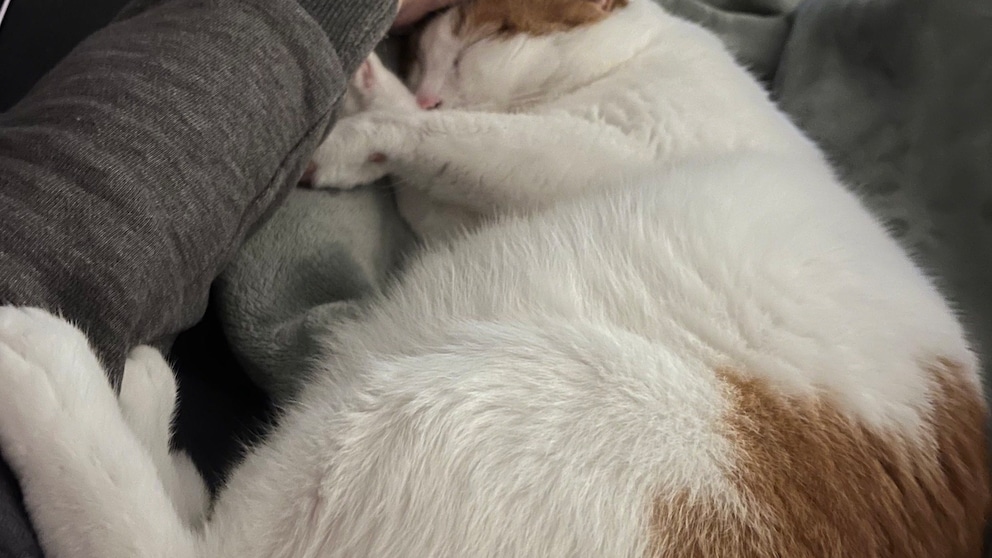
Many house cats don’t get enough exercise and become overweight. This includes Remo, the cat of PETBOOK editor Louisa Stoeffler. She shares how she managed to help her cat lose weight slowly and safely.
Many house cats get too little exercise or too much food in their daily lives. The result? Most cats become overweight. At the vet, it’s common to weigh the animals before any examination. This is usually followed by a lecture on cat obesity and its consequences.
My cat Remo also developed obesity. However, it wasn’t immediately apparent to me. Of course, I know the signs of obesity, which include the following characteristics:
However, Remo did not show these classic signs of obesity. He was still very muscular and active, playing and racing around. I noticed other signs that he had a bit too much weight. However, I mainly attributed it to his tendency to put on a layer of fat before winter. This is a natural process for cats, especially if they have outdoor access or have lived on the streets for a long time.
Remo Came Underweight from Animal Rescue
But let’s start from the beginning. How did I end up overfeeding my cat?
Remo comes from animal rescue. When he came to me in 2019, he seemed too thin to me. He was strong and very muscular, but 4.2 kilos seemed too little for a cat that wasn’t fully grown yet, but was large and strong. He is also very active, running and jumping around a lot. So, I turned a blind eye to a few extra grams in the food bowl or the treat ration.
Additionally, due to his life on the street, he still has the habit of putting on winter fat. This is also completely normal and occurs annually in cats with outdoor access. In spring, these extra pounds are quickly shed.

Lack of Consistency
However, I wasn’t always consistent enough. Visitors were allowed to give Remo something to win his favor. He also demanded treats daily. He would sit next to the cabinet where his food is stored and open the door with a paw, making it rattle. He tried this with both my partner and me, sometimes scoring two treats a day, which we only discovered in the evening.
I also allowed my partner’s mother to give Remo more treats than was good for him. It was important to me that they got along well, as she takes care of the cat when we’re on vacation.
At his peak after the last winter fat binge, Remo weighed 6 kilograms. It was clear to me that he had a bit too much weight. Uncharacteristically, he began to snore and was more easily exhausted during play.
In spring, he developed another health issue. He started chasing his own tail.
X-Ray Revealed Dangerous Belly Fat
This vague health problem led us to various veterinarians repeatedly. Only an X-ray revealed the extent of Remo’s obesity. A thick layer of fat had formed around his internal organs.
As with humans, belly fat is particularly harmful to animals’ health. I had to take action. It was no longer winter fat; my cat was definitely overweight and chubby. Regular play sessions with his toy wand didn’t help either.
The Diet Change
Changing Remo’s diet was somewhat challenging because he was simultaneously switched to special kidney food. His values were very poor.
Together with the veterinarian, we tried many types of food and created a weight loss plan. Overweight cats should never lose more than 1 to 3 percent of their body weight per week, as this can lead to organ damage. The liver of animals is particularly sensitive, and their metabolism can quickly become disrupted. 3
For this reason, cats should never have to endure zero diets, as the process of liver cell breakdown by fat cells begins after just 72 hours without food. The disease, also known as hepatic lipidosis, is the most common liver disease in cats and is fatal in 90 percent of cases if untreated. The veterinarian should check the condition of this sensitive organ before reducing food intake.
He Doesn’t Have to Give Up Treats Completely–Just Fewer
Regarding Remo’s liver, everything was at least fine, and his diet could begin. He gets dry food throughout the day and a portion of wet food in the evening. In between, a few treats. This allowed us to divide his portions well. He didn’t have to give up treats completely; there were just fewer.
Remo loves cat sausages, which we affectionately call “gulp sticks” at home. When given whole, he gulps them down within seconds.
He still gets them, but not the 5-gram ones; instead, he gets mini-sized sausages. And he only gets them if he sits or chases after them.

Why so many cats have a pot belly and what it means

Obesity in Cats Has Unexpected Consequences
Dry Food Becomes the Game-Changer
Exercise is an important factor when cats are overweight and need to lose weight. Since we always had regular play sessions integrated into our daily routine, this was not a problem for Remo.
What became successful for us in the long run was Remo’s fondness for dry food. He usually divides it into small portions throughout the day. Sometimes he goes to his bowl in the kitchen up to 20 times and nibbles. This habit, typical for cats, was also used to reduce portion sizes. I distributed up to six mini-portions of five grams throughout the day so his metabolism never completely shut down and always had something to do.
For this reason, I even placed the food package and a scale in my office so I could prepare portions hourly while working. At the beginning of the diet, Remo seemed constantly hungry and gulped whenever he got something. He sometimes ate his dinner within minutes.
Now It’s Time to Persevere
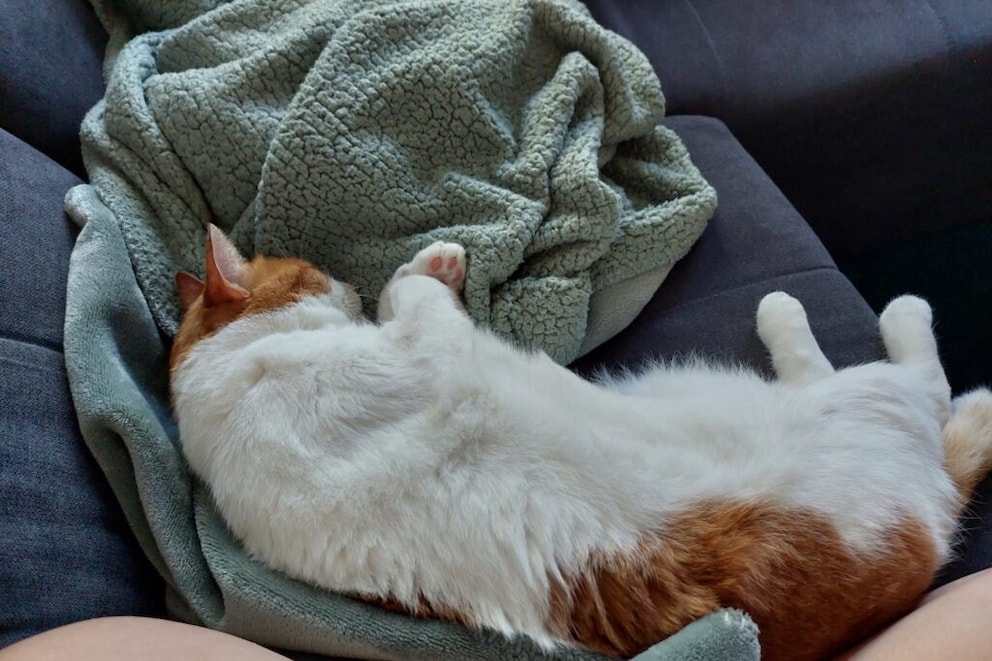
For five months now, my overweight cat has been consistently losing weight. On average, he lost about 50 grams per week. The “little kilo” that the veterinarian said should come off has almost been achieved. The constant hunger from the beginning has disappeared, and he now divides his reduced food amount well.
Personally, I still find it difficult not to give in to his begging for more treats. However, I must maintain this consistent stance if I want my pet to be healthy. We also adhere much more consistently to agreements in our daily routine.
The German original of this article was published in March 2025.