

June 1, 2026, 11:04 am | Read time: 4 minutes
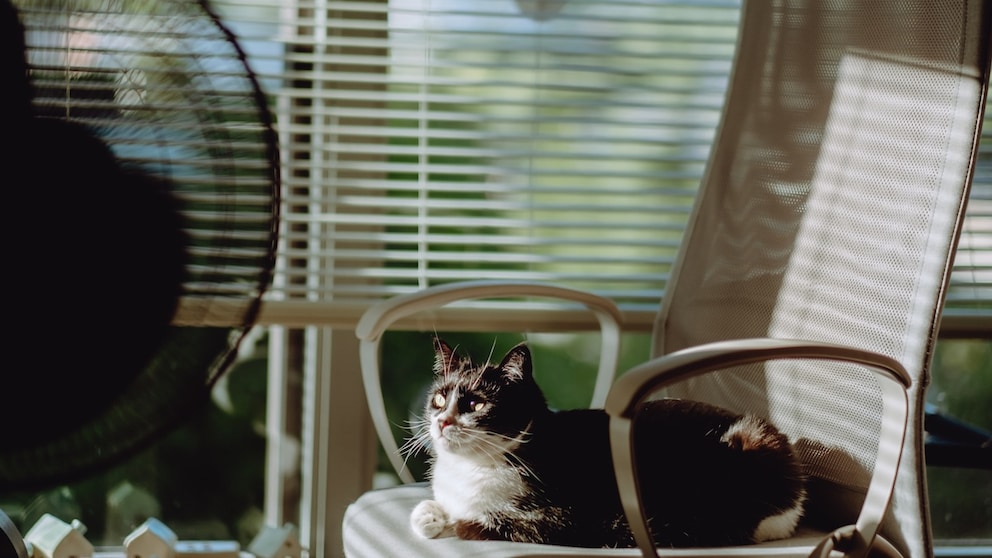
On a hot summer day, a cat suddenly lies only on the cool tiles, eats less, and seems unusually calm. Some animals constantly seek shade or drink more than usual. These changes initially seem harmless and are easily mistaken for a normal reaction to warm weather. However, these signs can hide a dangerous heatstroke. PETBOOK explains how it happens, which signs should be taken seriously, and when quick action is important.
Can Cats Sweat?
Many pet owners wonder why heatstroke can occur in cats at all. While cats can sweat, they do so only to a very limited extent. The sweat glands responsible are located on the paw pads and are not sufficient to effectively cool the body.
Therefore, cats primarily regulate their body temperature through their behavior. In the heat, they seek out shady spots, move less, and prefer to lie on cool surfaces. They also moisten their fur with saliva. As the liquid evaporates, a cooling effect is created.
However, at high temperatures, this natural cooling reaches its limits. If the body temperature rises above 104 degrees Fahrenheit, a cat can suffer from heatstroke. The body can no longer adequately dissipate the excess heat, which can impair important functions of the circulatory system, organs, and nervous system.
What Happens During Heatstroke?
Heatstroke occurs due to prolonged overheating of the body. Both direct sunlight and high ambient temperatures play a role.1
Dangerous situations include being in direct sunlight, a hot balcony without a place to retreat, a transport carrier in a warm environment, or overheated living spaces. Even in shaded areas, the ambient temperature can be high enough for a cat to overheat.
Older animals, very young cats, overweight animals, and breeds with flat noses are particularly at risk.
How Do I Recognize Heatstroke in My Cat?
The first signs of heatstroke can be nonspecific. Many cats initially seek out shady or cool places more frequently. They often lie on tiles or other cold surfaces.2
As overheating increases, further symptoms appear:
- significantly increased breathing rate
- rapid and shallow breathing
- breathing with an open mouth
- increased thirst
- vomiting
- increased pulse rate
- pale mucous membranes
- body temperature over 104 degrees Fahrenheit
- weakness or exhaustion
If the condition worsens, life-threatening symptoms develop. The mucous membranes may appear pale or bluish and seem dry. Affected cats begin to tremble or have seizures. In severe cases, unconsciousness can occur.
The progression can be very rapid. Therefore, early warning signs should be taken seriously.
How Is Heatstroke Diagnosed in a Cat?
If your cat shows the symptoms mentioned, you should immediately contact a veterinarian. The vet can first assess the cat and its symptoms. Body temperature plays an important role—values over 104 degrees Fahrenheit indicate severe overheating.
Additionally, breathing, heart rate, and mucous membrane color are checked. The vet also examines the internal organs to quickly identify any damage caused by the overheating.
What Can I Do If My Cat Has Heatstroke?
Heatstroke is always a serious emergency. Initial measures should begin immediately:3
- Take the animal to a cool and quiet place
- Offer the cat water
- Lightly moisten the cat’s fur—but only with room temperature (!) water
- Call the veterinarian immediately
In the practice or clinic, cooling is continued. The cat often receives an infusion to compensate for fluid loss and prevent further dehydration.

Recognizing and Responding to Heatstroke in Dogs
Beware of Life-Threatening Danger: How to Recognize Heatstroke in Dogs
How Quickly Do Cats Recover From Overheating?
The prognosis depends significantly on how quickly the heatstroke is recognized and treated.
If intervention occurs early and the cat is quickly cared for, many animals can recover. However, if no treatment is given, the condition can deteriorate rapidly. Severe complications, including death, are possible.
Veterinarians also warn of long-term damage, such as kidney damage, seizures, or heart problems. Therefore, a veterinary follow-up is important even after acute treatment.
How Can I Prevent Overheating in My Cat?
Many cats independently seek cooler places in the heat. Nevertheless, cat owners can take some precautions.
Important measures include:
- constant access to fresh water
- shady retreats in the house or on the balcony
- free movement within the home
- avoiding direct sunlight
- using cooling mats or damp towels as needed
- regular rest breaks in warm weather
- never leaving a cat in a parked vehicle
A drinking fountain can also help encourage water intake. The flowing water prompts many cats to drink more frequently.
Even in summer temperatures, always pay attention to any changes in your cat’s behavior. Early warning signs can be crucial in preventing an emergency.