

November 11, 2025, 3:47 pm | Read time: 4 minutes
Can cats suffer from dementia? The answer is yes—and more often than many think. A study even shows surprising parallels between cognitive decline in humans and cats (PETBOOK reported). Some symptoms are remarkably similar. But how can you tell if your cat is affected? And how can you best support them during this phase of life?
Common but Little-Recognized Condition
The so-called “feline cognitive dysfunction,” also known as cat dementia, is an age-related decline in mental abilities. It usually manifests through behavioral changes that cannot be explained by other medical causes.
Research suggests that the condition is widespread among older cats. A study showed that more than half of all cats aged 15 years exhibited signs of dementia.1
Behavioral abnormalities associated with the disease have been observed in cats as young as seven years old. About 28 percent of cats aged 11 to 14 showed at least one behavioral change linked to early dementia.2
These Behavioral Changes May Indicate Dementia in Cats
Noticeable behavioral changes are often the first signal that something is wrong with any illness. The following eight symptoms are common indicators of early dementia in cats:
- Unusual Vocalizations: If cats suddenly meow excessively—especially at night—or become vocal in atypical situations, it may indicate cognitive changes.
- Changed Social Behavior: Some cats become noticeably clingy or seek more closeness. Others withdraw, seem irritable, or no longer recognize familiar people.
- Disrupted Sleep-Wake Cycle: Many affected animals sleep more during the day and appear restless or agitated at night.
- Incontinence: The inability to use the litter box as usual can be a warning sign—though this symptom can also indicate other illnesses.
- Disorientation: Affected cats wander aimlessly, stare into space, get stuck behind furniture, or confuse door sides.
- Changed Activity Level: Some animals are noticeably lethargic, play less, or neglect grooming. Others appear nervous or hyperactive.
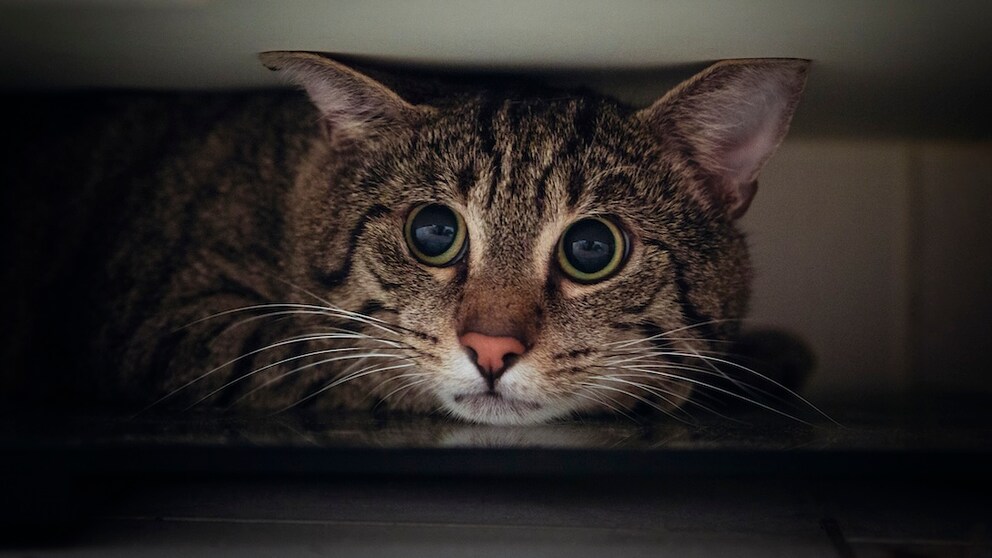
- Fearful Behavior: Situations previously familiar to the cat—such as certain sounds or people—can suddenly cause fear. Retreating behavior, like hiding under furniture, is a common symptom.
- Learning Problems: If a cat suddenly struggles to find its food bowl or loses learned behaviors, it may also indicate dementia.
- Reduced Responsiveness and Confusion: Some cats suddenly seem absent or appear to “lose track.” They no longer respond as usual to their name, sounds, or familiar stimuli, and sometimes just stand still as if they don’t know what they want to do.
Especially for outdoor cats, it may happen that they no longer remember the way home and appear at neighbors’ or unfamiliar places. This behavior suggests that the cat’s orientation and memory are declining—a typical sign of cognitive changes with age.
Diagnosis and Treatment
Since many symptoms overlap with other conditions, such as arthritis or kidney weakness, a visit to the veterinarian is essential for noticeable behavior. Only then can other possible causes be ruled out and a diagnosis made.
Unfortunately, research on cat dementia is still very limited. Many recommendations for prevention and treatment are based on findings from human and dog research. There is currently no cure, but certain measures can slow the progression or improve well-being.
The Right Environment Can Help–But Not Always
Mental stimulation is one of the keys to supporting cognitive functions. In mild cases, playful hunting with interactive toys or treat-searching games can promote mental activity.
However, one should always proceed with caution. For cats with severe cognitive impairment, changes in their environment can lead to confusion and anxiety, worsening behavioral symptoms.

Can Exercise Prevent Dementia in Dogs?

Is Your Dog’s Gait Changing? It Could Be a Sign of Dementia
Diet Also Plays a Role
Food supplements with antioxidants like vitamins E and C and essential fatty acids could help reduce inflammatory processes in the brain and thus slow the disease’s progression.
However, one should be particularly careful when selecting products. Supplements designed specifically for dogs should not be given to cats, as they may contain substances toxic to them—such as alpha-lipoic acid.
Anyone wanting to try supplements should only use those explicitly approved for cats and consult their veterinarian.3
Early Detection Can Be Crucial
The earlier the signs of dementia are recognized, the better one can respond to the cat’s changing needs. Through targeted adjustments in daily life and close veterinary support, quality of life can often be significantly improved—even if the disease itself is not curable, only manageable.