

March 31, 2023, 11:32 am | Read time: 5 minutes
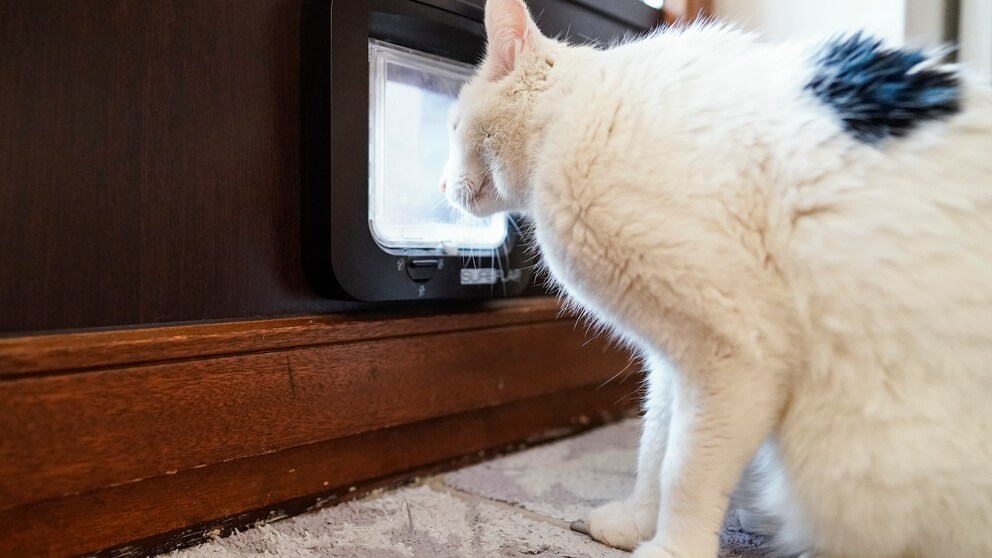
In Walldorf, Baden-Württemberg, a general curfew for cats is being imposed again this year. What sounds like an April Fool’s joke is unfortunately reality. This is intended to protect the crested lark, but animal rights activists sharply criticize the measure, considering the cats are once again confined.
In Walldorf, Baden-Württemberg, starting April 1, there will be a cat curfew for the second year in a row. If you let your cats out during the specified time, you risk a fine of up to 50,000 euros. All cats in the city must now stay indoors for months if their owners want to avoid penalties. Animal rights activists criticize the curfew for Walldorf’s cats with strong words and question the sensibility of the general order.
German Animal Welfare Federation on Walldorf: “Those Who Ignore Cat Protection Are Not Animal Protectors”
Once again, all cats in Walldorf are to be kept indoors for months for another year. Thomas Schröder, president of the German Animal Welfare Federation, sharply criticizes the order in a press release. He calls it absurd, shortsighted, and ineffective in solving the actual problem.
The order was issued to protect the rare crested lark, which could be threatened by hunting cats. But according to Schröder, this is a self-inflicted problem. “After the local crested lark population was deprived of habitat and food for so long that only two breeding pairs remain in Walldorf, cats now have to bear the brunt of human failure. The curfew causes unreasonable burdens and immense stress for the affected animals and their owners. Those who ignore cat protection are not animal protectors, and I would argue not even species protectors,” says the president of the German Animal Welfare Federation.
“A Quick Internet Search Is Not Enough to Justify Such Cruel Restrictions”
Schröder also criticized the general order for lacking a professional basis. The official decision was made very suddenly last year without sufficient prior public involvement. Moreover, knowledgeable experts from the field of animal welfare—such as the state animal welfare commissioner, animal welfare organizations, or veterinarians specializing in behavior—were not involved in drafting or reviewing the order.
Furthermore, the order cannot rely on any solid data on the death toll of small mammals and birds in Baden-Württemberg, Germany, and the EU that can be clearly attributed to cats. “A quick internet search is not enough to justify such cruel restrictions,” Schröder says. Alternatives to the usual free roaming mentioned in the order, such as walking cats on a leash, are not a reasonable option.
Also interesting: Animal healers successfully challenge treatment ban

Outdoor Cat or Indoor Cat: What’s Better for the Pet?

Where Leaving Dog Waste in Germany Costs the Most
Species Protection Should Not Come at the Expense of Animal Welfare
The German Animal Welfare Federation also points out that the decline of species like the crested lark and many other bird species is primarily due to environmental destruction and the loss of habitats and food. This is due to factors such as intensified agriculture, increased development of fallow land, soil sealing through road construction, and insect decline.
“Reducing the complex issue to a simple ‘bird versus cat’ or ‘species versus animal welfare’ conflict avoids the responsibility we humans have for all animals, pits two immensely important concerns against each other, and ultimately harms both,” Schröder emphasizes. “The constitutional goal of animal welfare applies equally to all animals. There are no second-class animals. Meaningful and sincere species protection can therefore only go hand in hand with animal welfare and compassion for the individual animal.”
Cat Curfew in Walldorf Until 2025?
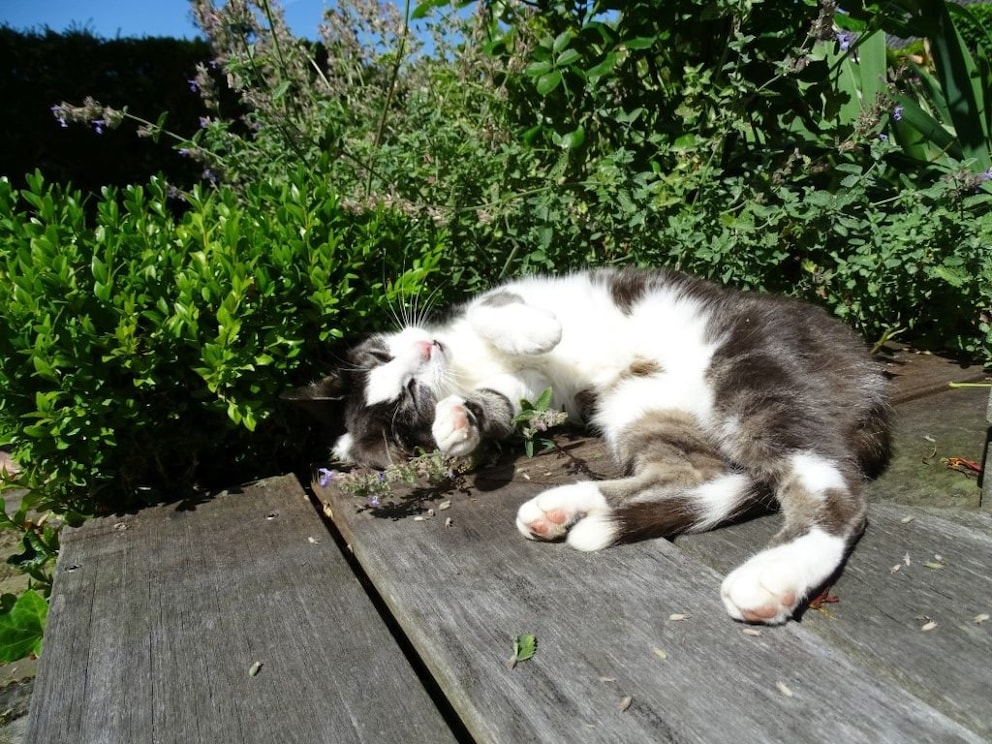
The dispute over the renewed free roaming ban for cats has reignited at the district office of the Rhein-Neckar-Kreis because a penalty was already imposed in an initial case. As the regional council, the higher nature conservation authority, reported, a free-roaming cat was repeatedly found in the danger zone of the crested lark living in southern Walldorf. However, its owner must pay only 500 euros for the first time. Fines can reach up to 50,000 euros if a crested lark is harmed due to disregard of the free roaming ban. The crested lark is a bird species critically endangered with extinction.
A penalty can be imposed if the owner does not prevent their cat’s free roaming during the crested lark’s breeding period, which lasts from April 1 to August 31, when the young birds leave the nest and cannot yet fly. A penalty is a coercive measure to enforce the general order, which is valid until 2025. It can also be imposed repeatedly at the same amount.
However, some cat owners from Walldorf, along with the local animal welfare association and the German Animal Welfare Federation, have already opposed the house arrest for their pets, which could last several more years according to the still valid general order. The imposed, blanket house arrest for cats is a thorn in the side of many and is receiving nationwide attention. The Karlsruhe regional council has already received 39 objections, all of which it rejected. Legal action could still be taken against this.
The district office, which issued the controversial general order, feels vindicated. During the first cat lockdown last year, eight young crested larks fledged. How many cats were under house arrest for months is unclear.
With material from dpa