

June 22, 2026, 2:46 pm | Read time: 5 minutes
Pigeons are an integral part of city life worldwide. Despite encountering them daily, few people take a closer look. The condition of these birds is often revealed by their feet. Many city pigeons struggle with injured or missing toes—a sad phenomenon attributed to humans. PETBOOK spoke with Taubenhaus Südkreuz e.V. to uncover the reasons behind pigeons’ mutilated feet.
Why So Many City Pigeons Have Mutilated Feet
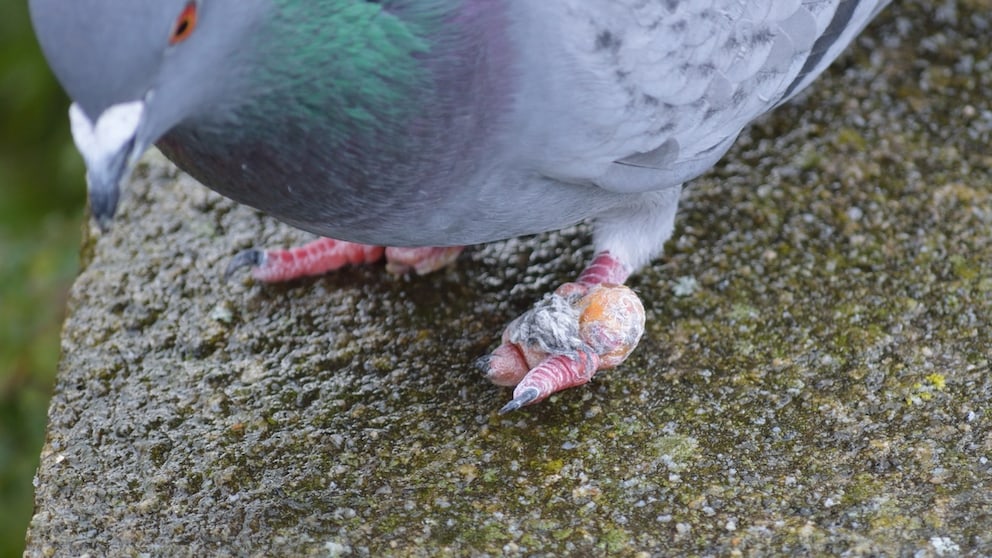
In urban areas, if you look closely, you’ll often see pigeons limping, missing toes, or barely able to walk. Mutilated feet are a common issue for many city pigeons. The cause usually lies not with the birds themselves but in their environment.
The most common cause of these injuries is surprisingly simple. “The entanglements come from threads from jackets, long hair, threads from packaging—anything thread-like,” explains Lara-Salina Küchler from Taubenhaus Südkreuz e.V. The volunteers at the Berlin-based organization deal with such cases daily and witness the suffering of the birds up close.
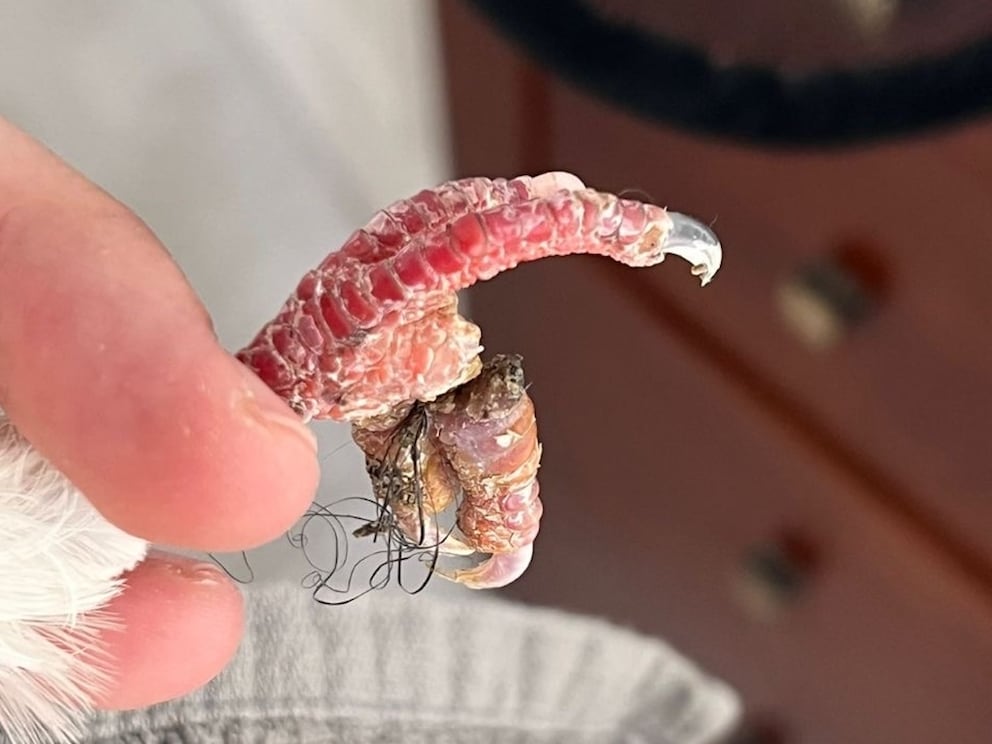
What initially seems harmless quickly becomes a dangerous trap for the birds. With each step, the threads cut deeper into the tissue, restricting blood flow and potentially causing toes or entire feet to die. If bacteria enter the open wounds, infections occur, leading to additional pain and swelling in the feet.1
Besides entanglements from trash, diseases or injuries can also lead to pigeons having mutilated feet. These include conditions like bone softening, known as rickets, or foot pad ulcers (pododermatitis).
Challenges in Searching for Food
It’s noticeable that not all areas have the same number of affected pigeons. The reason lies in the birds’ behavior. “The main cause is that the pigeons are hungry and roam the streets.”
Taubenhaus Südkreuz e.V. further notes that in large cities like Paris, many pigeons are affected by entanglements. In Berlin, however, there are fewer such cases. “The reason is that many cities have a ban on feeding pigeons,” Küchler explains. In cities like Paris, where there is a strict feeding ban, pigeons are often forced to spend hours searching for food on the ground, increasing their contact with dangerous trash.
But dangers aren’t only on the ground. Deterrent measures on buildings also pose a significant risk. Pigeons often nest between installed spikes meant to deter them. This can lead to injuries, such as tearing or getting caught on the spikes. Young birds are particularly at risk and can be severely injured or even impaled by the metal spikes. These wounds often go untreated and can become infected, leading to permanent damage like mutilated feet.2
Pain and Limitations
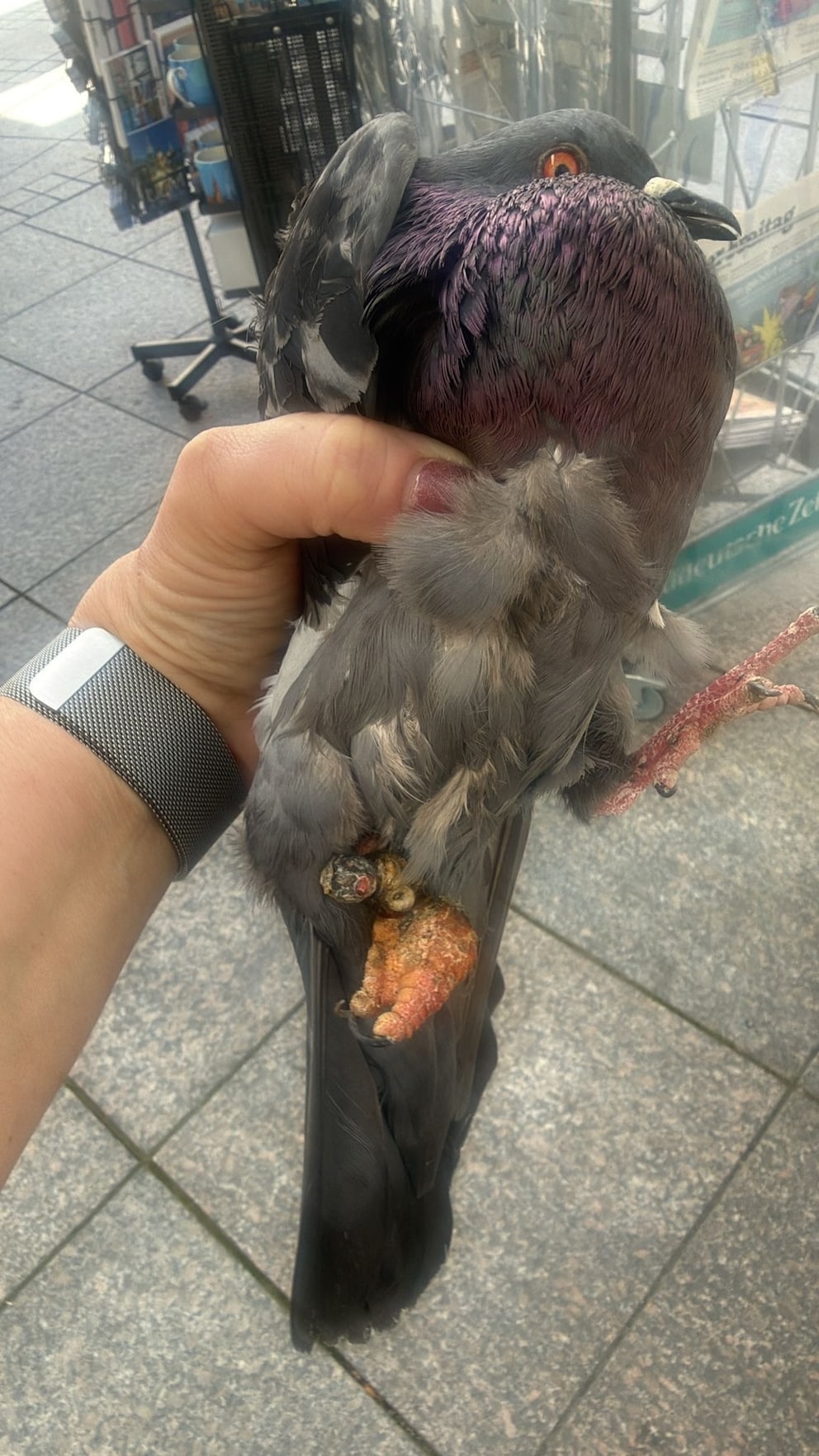
“For the animals, this primarily means pain and movement restrictions,” Küchler says. Some pigeons can barely walk, while others have both feet bound, severely hindering their mobility. The injuries also have other serious consequences. The already difficult search for food becomes even more challenging—a vicious cycle that often ends fatally.
While minor entanglements can usually be removed with nail scissors, severe cases require a visit to the vet. “Sometimes you can simply cut the threads if they haven’t cut too deeply into the feet and/or haven’t been bound for long. However, there are instances where toe segments or entire feet have already died, necessitating amputation and antibiotic treatment.” Such treatments are not only complex but must be funded by individuals or animal welfare organizations.
What People Can Do
The good news: Part of the problem can be relatively easily avoided. Taubenhaus Südkreuz e.V. advises being vigilant. Strings, hair, or threads should be properly disposed of and not carelessly left on the ground.
Anyone who spots an injured pigeon can help. “Entangled pigeons should be secured or reported to emergency Facebook groups,” Küchler explains. This also applies to injured and sick pigeons.

Shocking Images: More Hedgehogs Mutilated by Robotic Lawn Mowers
“Pigeons Are Losing Their Instincts”–Deutsche Bahn Poster Sparks Intense Criticism
What Needs to Change in Cities
Long-term solutions are needed in major cities. This includes expanding pigeon houses, where birds are regularly fed and medically cared for. “If they are fed daily at feeding stations or managed pigeon houses, they stay off the ground and perch higher. This results in fewer entanglements and potentially necessary amputations,” Küchler says.
Taubenhaus Südkreuz e.V. is critical of feeding bans. Where pigeons are not cared for, the pressure to search for food increases, raising the risk of injuries. In cities like Frankfurt am Main, Hamburg, or Dresden, the ban should be lifted to prevent injured pigeon feet.
Also interesting: “Pigeons are losing their instincts” – Deutsche Bahn poster sparks strong criticism
More Than Just a Problem of the Feet
Injured feet are just one of many issues city pigeons face. They are often affected by fractures, malnutrition, or collisions with buildings. Young birds, no longer cared for by their parents, often fare worse in the competition for food than adult birds. At the same time, there is generally little food available, causing many to starve.3
Additionally, diseases like paramyxovirosis, which leads to neurological disorders, or injuries from direct human violence are common. Many of these problems share a common factor: They arise from living in a human-influenced environment.