

October 3, 2025, 6:07 am | Read time: 4 minutes
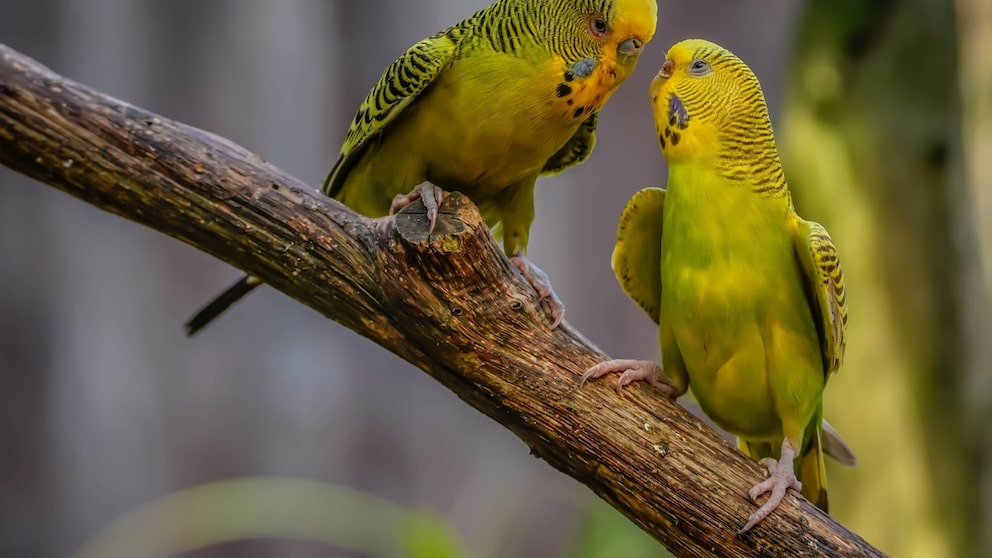
Whether it’s a budgerigar, canary, or other ornamental birds, at first glance, they often appear lively and content. But this impression can be deceiving: Many feathered pets cleverly hide illness or stress. Those who don’t recognize the signals of their stressed bird may overlook important warning signs.
Why Observation Is So Important
Even though some bird species can mimic human speech, they don’t use words to indicate discomfort or unease. Instead, owners must closely observe their pet. “The foundation should always be the behavior you know from your healthy bird. There is usually not one symptom for stress or illness, but rather sudden changes in behavior,” explains Dr. Dietmar Steinmetz, a specialist veterinarian for birds, to the Pet Supplies Industry Association (IVH).
How a Healthy Bird Appears
Therefore, it’s crucial to know your bird’s normal behavior to notice abnormalities or stressed behavior. A healthy ornamental bird is alert, interested in its surroundings, and actively participates in what’s happening. “A healthy bird shows attentiveness. It observes its environment and engages with what’s happening around it,” says Steinmetz. Eating, drinking, and regular excretion are also part of normal behavior.
Additionally, healthy birds are often active in their cage or aviary—depending on the species and temperament, they enjoy climbing and show enthusiasm for movement. The plumage also provides important clues. “The feathers usually lie smoothly. If it’s very warm, the bird might ruffle them for ventilation—if it’s very cold, it fluffs up a bit to warm itself. However, if birds do this at normal temperatures, it could be an initial sign that something is wrong,” explains Steinmetz.
Whether the feathers grow back smoothly after molting or a hierarchy fight can also be an indicator of metabolism and overall health.
The veterinarian mentions two more positive signals: “A bird that bathes is always healthy. Likewise, a bird that sings.” However, it’s important to note that not every bird sings equally often—the behavior varies by species and season.
Recognizing Signs of a Stressed Bird
Stress in birds can have various causes—from a change in environment to noise or a move. They usually show short-term excitement clearly: with vigorous wing flapping or tense body posture. It’s different with chronic stress. Then the symptoms appear more subtly. “Stress in birds has very nonspecific symptoms: Typically, the animals become unusually quiet, sit fluffed up on their perch, and may even seem apathetic. Normally, they also go to the food less often,” explains the veterinarian. To determine the cause, a visit to a bird-savvy veterinarian can help.
How Pain and Illness Manifest
Warning signs of illness are often nonspecific as well. They usually appear as small behavioral changes compared to the healthy state. Especially lethargy and loss of appetite are classic warning signs, according to Dr. Steinmetz. By the way, the normal body temperature of ornamental birds is about 104 to 107.6 degrees Fahrenheit—significantly higher than that of humans.
Pain is particularly difficult to recognize. “Birds suffer silently unless it’s an acute injury,” says the expert. Often, only a change in movement behavior is noticeable. “Instead of clearly indicating an injury, the animals protect the affected areas. So if, for example, the wing hurts, the bird uses it seldom to not at all and lets it hang slightly.” A slightly hunched posture can also indicate a health problem.
Decorative Bird Chirping Too Loud? Here’s Why
Canary Not Singing Anymore? Here Are Possible Reasons
Signs of Aging: What’s Normal?
Not every change in behavior is due to illness. Ornamental birds also show calmer phases as they age. “With a trained eye, you can recognize this externally as well. The scales on the bird’s legs no longer lie smoothly with age, and the plumage becomes duller,” says Steinmetz.
When to Visit the Veterinarian?
For sudden or prolonged behavioral abnormalities, a visit to the veterinarian is advisable. This helps clarify causes and treat illnesses early. Additionally, experts recommend an annual preventive check-up.
Another tip: “With a trained eye, you can recognize this externally as well. The scales on the bird’s legs no longer lie smoothly with age, and the plumage becomes duller.” Steinmetz also advises joining a bird club: Interacting with other owners can help you better understand your pet’s behavior. The German Canary and Bird Breeders Association e.V. (DKB) offers an overview of regional groups online at: www.vogelbund.de/dkb-landesverbaende.