


October 30, 2025, 10:29 am | Read time: 7 minutes
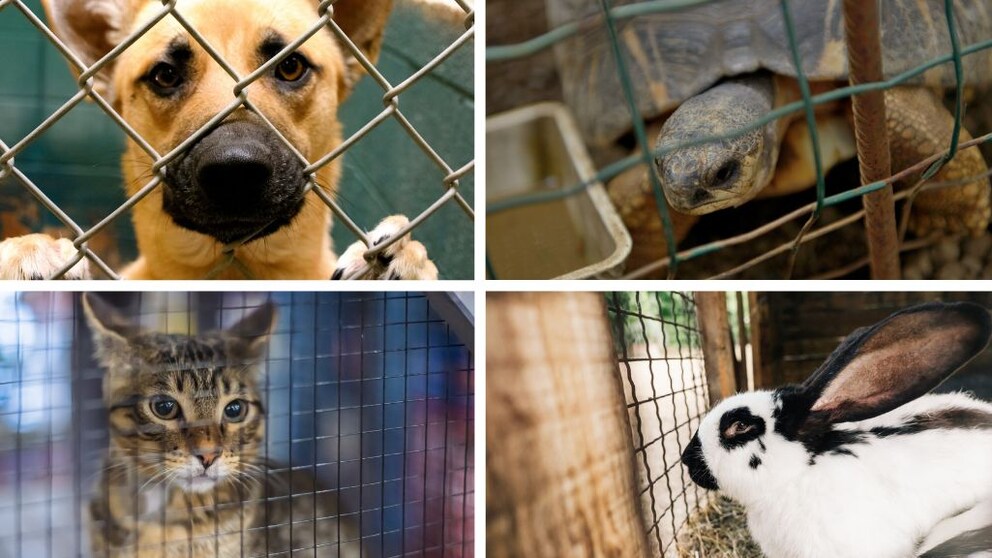
From sick dogs to exotic snakes–German animal shelters have animals that hardly anyone wants to adopt. The reasons range from prejudices and behavioral issues to legal hurdles. PETBOOK reached out to animal shelters across Germany to find out which stories touch them the most–and how they still try to offer hope.
Illness and Age–the “Classics” Among the Problem Cases
At the Nuremberg animal shelter, the problem cannot be limited to specific homeless pets. “Actually, you can’t pin it down to one type of animal,” explains Miriam Zimmermann from the Nuremberg Animal Protection Association when asked by PETBOOK. “In principle, unfortunately, all animals that are behaviorally challenged or sick are hard to place–it doesn’t matter if it’s a dog, cat, or small animal.”
Hannah Wern, the shelter manager in Giessen, also confirms to PETBOOK that age and pre-existing conditions significantly reduce the chances of adoption. Many potential adopters are hesitant due to possible veterinary costs.
The staff tries to improve the chances through targeted training and veterinary care, explains Miriam Zimmermann. For sick animals, “all necessary examinations and treatments” are conducted, and they try to enable expensive procedures “through donations.” Additionally, they focus heavily on visibility: “Through a strong presence on the internet and media dissemination, we try to increase reach to connect with more people.”
Sick small animals have it particularly tough, as shown by the example of rabbits Snickers and Mars. Both were “disposed of like trash”–presumably because they are sick, as the staff suspects. Mars has chronic bronchitis, and the rabbit Snickers has lung shadows. The animals have been waiting for almost two years at the Nuremberg shelter for a new home. Therefore, it is “really urgent” that both find a new home, emphasize the staff.
Animals with Behavioral Issues
Besides illness, difficult behavior plays a major role in why shelter animals have a hard time. Many have experienced terrible things, are distrustful of humans, and have developed behavioral disorders. An example is Cherry the cat, who ended up at the Nuremberg shelter when his owner passed away. Unfortunately, Cherry “hasn’t met anyone or anything,” as the staff reports. Therefore, he is “super anxious and unfortunately often attacks.”
It becomes especially difficult for animals in shelters that are both sick and have behavioral issues. Samurai the boxer from Nuremberg is very alert and has already used his teeth. “Unfortunately, he has severe spondylosis and therefore needs a ground-level home and people who can help him build his muscles,” write the staff on the Nuremberg shelter’s website. A real challenge, but one that is worth it, because Samurai is very nice and playful with his caregivers.
Also, Labrador mix Thor from Bremen has been in the shelter for over a year, even though dogs with his appearance usually find a new home quickly. But besides a biting incident and a strong hunting instinct, Thor, despite being only 1.5 years old, already has spondylosis. Therefore, a home where he has to climb stairs or where children and small animals live is not an option. For animals like Thor or Samurai, such restrictions mean long waits–sometimes for years.
Fearful and Listed Dogs: When Reputation and Regulations Deter
Particularly hard hit are certain dog breeds. According to spokeswoman Ilka Kettner, dogs on the so-called breed list, such as livestock guardian dogs, Dobermans, Rottweilers, or dogs with biting incidents, wait a long time for a new home at the Berlin shelter. Many of these dogs have been “trained to go after people” or have lost trust due to mistreatment.
In Giessen, so-called listed dogs are also among the biggest challenges. They point to the “legal restrictions or high insurance and care requirements” that deter many potential adopters.
Reptiles and Exotics: Demanding Care and Species Protection
The Stuttgart shelter faces entirely different challenges. There, it is mainly the exotics that are difficult to place. “The most difficult to place are our reptiles,” explains spokeswoman Petra Veiel to PETBOOK. “The problem here is partly species protection and the demanding care requirements.”
Many animals originally came from online purchases, she reports further. People ordered “increasingly exotic animals on the internet–without a plan or expertise.” When the care fails, the animal ends up in the shelter. Finding suitable people is extremely difficult: “We take a very long time to find adequate keepers who are familiar with the specific species.”
Additionally, legal regulations complicate placement. “If animals are under species protection, you can’t just keep them–you have to legally register these animals,” explains Veiel. Sometimes the nature conservation authority must also approve the placement.
To reach potential adopters at all, the shelter uses specialized platforms. “We also try to draw attention to animals in reptile-specific groups or online platforms,” says Veiel. They also exchange information with other shelters to solve special cases together.
No One Asks About Large Animals Like Goats and Pigs
The Bremen shelter is also familiar with the problem of exotics–there, alongside snakes and turtles, large animals like Gandalf the goat or an entire herd of pot-bellied pigs are waiting. “The large animals, exotics, and even fish often fly under the radar,” says spokeswoman Merle Oßmer. “Our goats and pigs have been looking for a new home for years, and no one ever asks about them.”
Fish, on the other hand, are often overlooked because many people simply buy them at pet stores. “Our exotics–like snakes, turtles, etc.–are, of course, very special and require special forms of care that not many people can or want to fulfill.”
Lonely Piranhas
Some cases are almost hopeless, like that of a single piranha: “We had two piranhas for years. Now there’s only one left. Keeping piranhas alone is not species-appropriate, but we can’t find anyone who keeps such animals–one of our emergencies.”
To increase the chances, Bremen focuses on education and visibility. “We try to bring our long-term residents into the spotlight through social media and remind people of them through other public relations methods,” explains Oßmer. Education about the daily life in the shelter is also important, “so people understand what lives here.”

A Dog From International Animal Rescue? What You Should Know Beforehand

Adoption Rules at the Animal Shelter: “These People Won’t Get a Dog From Us”
Invisible Beauties: Black Animals
In the Giessen shelter, there is another phenomenon that repeatedly stands out: Black animals are adopted significantly less often. “Black animals, especially cats, unfortunately receive less attention from many potential adopters,” says Hannah Wern. The reason often lies not in behavior but in perception: “Black cats and dogs are often less noticed.”
Conclusion: Commitment, Training, and Hope
Whether it’s a behaviorally challenged dog, a black cat, a protected snake, or a lonely pig–every animal in the shelter has its own story. Some wait months, others years. The reasons are varied, but one thing unites shelters across Germany: They do not give up on their charges. They finance temperament tests and expertise certificates for dogs, provide some animals with free medical care for life, and support through trainers to achieve initial successes. Many of the facilities are also active on social media to reach more people through a strong online presence.
Are you interested in one of the featured “long-term residents”? Please contact the responsible shelter directly. PETBOOK does not directly facilitate the adoption of the animals presented here.