

October 16, 2025, 3:47 am | Read time: 6 minutes
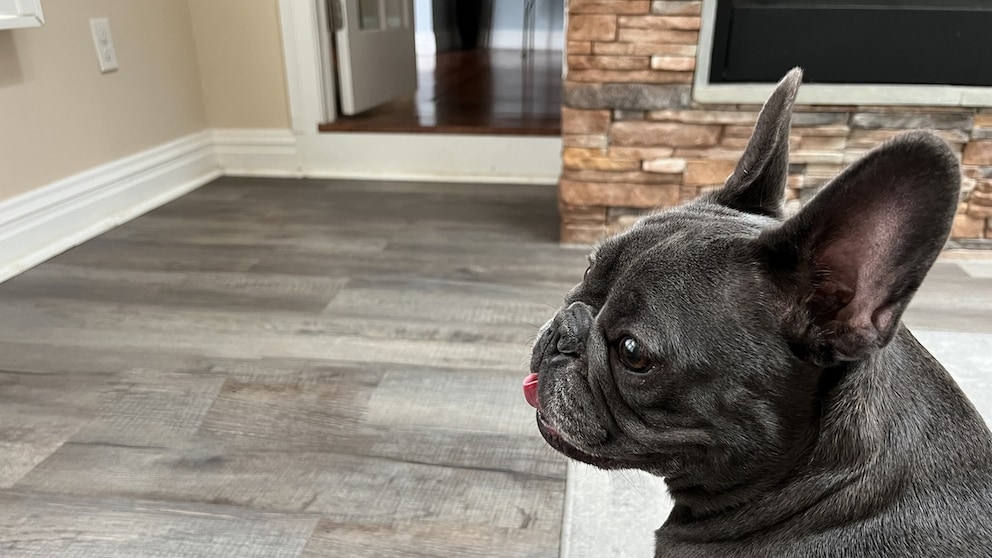
They snore, drool, and wheeze—yet they are still bred by the millions. Breeds like French Bulldogs, Pugs & Co. are among the most popular dog breeds in Germany. But what many owners find cute often means lifelong suffering for the animals.
Several current TV formats are drawing attention to this issue: An ARD documentary, “Suffering on Four Paws: Are We Breeding Our Pets to Ruin?” featuring animal welfare experts like Dr. Mariana Peer and Dr. Achim Gruber, discusses the systematic breeding out of healthy traits and undercover investigations into overbred Pomeranians and Frenchies.
“MaiThink X” on ZDF Neo explains the scientific and ethical backgrounds—and “Extra 3” satirically highlights the issue: Two AI-generated dogs mock “Romanian immigrant dogs” for taking their owners away, while the French Bulldog behind the mic can barely breathe. As macabre as it sounds, these scenes show how absurd and cruel our breeding ideals have become. But why are these problematic breeds so polarizing right now? PETBOOK provides an overview.
What Problematic Breeding Really Means
“Problematic breeding” is not just a buzzword; it’s a legally relevant term. It refers to animals that, through targeted breeding, possess traits that cause them pain, suffering, or harm. This includes breathing difficulties due to short noses (like in Pugs or Bulldogs), eye infections from oversized eyeballs (such as in Persian cats), or joint problems from exaggerated body shapes (which also affect livestock breeds like cattle and pigs).
What many don’t know: Rabbits, ornamental fish, or certain cat breeds like the Scottish Fold (with folded ears) also suffer from hereditary defects. These animals are considered “cute”—but they pay the price with their well-being.

Why the Topic Is Everywhere Right Now
The attention around problematic breeding is no coincidence. The planned new animal welfare law by the coalition government in Germany was supposed to revise the so-called problematic breeding paragraph, but the reform failed just before completion. This left a key legislative initiative unfinished, which was meant to establish clear rules for breeders and authorities.
While Germany is politically stalled, the European Union is moving forward. In Brussels, there is currently a concrete discussion about an EU-wide ban on problematic breeding. Pressure is mounting on the German government—especially on Silvia Breher, the new federal animal welfare commissioner, and CSU agricultural politician Alois Rainer, the federal minister for food and agriculture.
In the animal welfare community, the tone has become much sharper. Activists, veterinarians, and associations openly call on the two politicians to finally take responsibility—and not to delay the long-overdue reform again. Meanwhile, popular formats provide the emotional backdrop: They show how great the suffering of affected animals is—and that it should have long been a societal consensus to put an end to it.
Animals Promoted Like on Teleshopping
Besides satire, “MaiThink X” also focuses on closeness: On Instagram, the team shared an emotional post announcing the episode, featuring prominent animal lovers like Detlef Steves, HandOfBlood, Aljosha Muttardi, dog trainer Martin Rütter, and veterinarian Dr. Karim Montasser.
“Short legs, big googly eyes, small snouts: What looks cute is often associated with diseases or even suffering. Yet owners love their little four-legged friends.”
The message: Love alone is not enough if it comes at the expense of the animals. Accordingly, the public debate is currently loud. In the episode itself, Mai Thi Nguyen-Kim, together with Martin Rütter, shows how absurd the trade with overbred animals has become—in a biting teleshopping parody.
Under the motto “Sweet puppy dogs at unbeatable prices!” the two offer supposedly “quality dogs.” Dobermans from the “Puppy Pit Hinkel”—a reference to the breeding operation “Puppy Parlor Winkel,” which has long been critically viewed by animal rights activists. The ironic subtitle:
“Problematic breeding indeed contains QUALity.”
The reactions online are clear: Between laughter and horror, it became evident how deep the problem runs—and that today, awareness also needs satire to be effective.

German Federal Animal Welfare Commissioner: ‘The best law doesn’t help if it’s not being implemented’

Expert Explains Why Protection Dog Sports Have Such a Bad Reputation
“This Must Stop!” – Veterinarian Karim Montasser Starts Petition
Veterinarian and YouTuber Karim Montasser goes even further. The vet experiences the suffering of overbred animals every day in his work. And he states clearly: “This must stop!”
In his petition: “Reform the Animal Welfare Act, NOW!” he also reminds that the new federal animal welfare commissioner, Silvia Breher, has announced her commitment to animal welfare–an announcement that must now be followed by action. Together with animal welfare activist Victoria Müller, he demands:
“Ms. Breher, take responsibility! Fight for a reform of the animal welfare law to end this suffering! Mr. Agriculture Minister Rainer, what are you waiting for?”
Although breeding with problematic traits is technically prohibited, there is no clear legal means to enforce the ban in practice. Other countries, like Denmark or the Netherlands, have long reacted and introduced clear breeding bans. Germany, however, remains in the status quo.
This is not even the first attempt, Montasser reminds. “The coalition agreement of 2018 already noted that problematic breeding traits are an issue. That was almost eight years ago!” This petition also has prominent supporters like Martin Rütter, Anna Reusch, Olli Schulz, Ines Anioli, Aljosha Muttardi, and Nathan Goldblat.
Animal Love Should Not Cause Animal Suffering
We all love our animals—which is why it’s so hard to accept that many of them suffer because we have bred them to be “beautiful.” But those who truly love animals should also be willing to look—and take action. The public debate on problematic breeding is gaining momentum. But as long as there is demand, breeding will continue. Therefore, real animal welfare starts with personal action:
- Do not buy animals from problematic breeding—not even “out of pity”
- Adopt consciously: Animal shelters and animal welfare organizations have countless healthy, wonderful dogs and cats
- Educate: Inform friends and family why “cute” does not equal “healthy”
Every purchase decision is a signal. Those who buy animals with breathing difficulties, genetic defects, or deformed bodies support a system that produces suffering. But there is hope: More and more people are starting to rethink. Documentaries, satire, and prominent animal welfare voices are raising awareness—and awareness leads to change.