

September 23, 2026, 1:38 pm | Read time: 4 minutes
Cases of animal hoarding, where numerous pets must be rescued from dire conditions, are repeatedly reported. These are by no means isolated incidents. Figures from the German Animal Welfare Federation show the extent of animal hoarding in Germany: In 2023 alone, thousands of animals were affected.
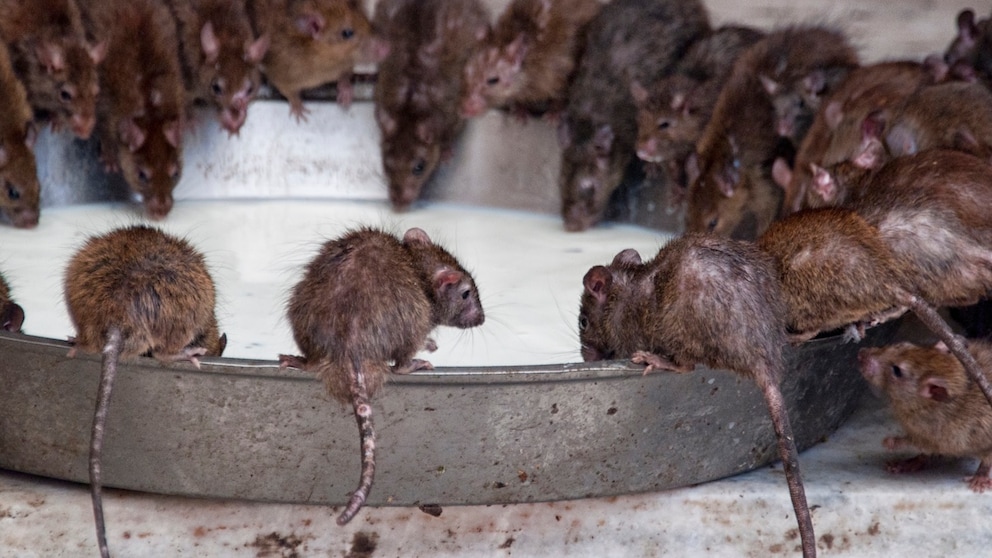
Woman kept over 2,000 rats at home–many of them were pregnant!
The term “animal hoarding” describes the pathological collection of animals in numbers that the individuals can no longer adequately care for. The consequences for the animals are often devastating. The ongoing nature of the problem was evident in April 2026 in Berlin-Spandau: In a heavily cluttered, approximately 860-square-foot apartment, the veterinary office secured 34 dogs, 12 cats, several birds, reptiles, a rabbit, and numerous fish. Many animals showed signs of neglect.1
Earlier figures from the German Animal Welfare Federation also show the extent of animal hoarding in Germany. In 2023, 115 cases of animal hoarding were recorded, affecting around 6,700 animals. There is likely an unknown number of undiscovered cases as well.2
As an extreme example, the Animal Welfare Federation cited the case of a woman from Altenkirchen who kept more than 2,000 rats, many of which were pregnant. This was reportedly the largest animal hoarding case recorded in Germany at the time.
Animal hoarding–these animals are most often hoarded in Germany
Sadly, cats take the top spot as the most frequently hoarded animals. In 2023, 1,930 cats were secured–nearly 1,000 more than the previous year. Dogs follow in second place with 716 individuals. Since the start of case collections in 2012, over 42,000 animals have been affected by animal hoarding. This is according to the latest press release from the German Animal Welfare Federation.
The insidious nature of pathological animal collecting is that those affected often do not realize the harm they are causing their animals, explains animal hoarding expert Nina Brakebusch from the German Animal Welfare Federation. “The impacts of animal hoarding are catastrophic. The animals are often neglected, pregnant, sick, and show behavioral issues. Since animal hoarding is a mental health condition, those affected often do not realize that they and their animals are suffering and continue to hoard.”

Fare-Dodging Cat Shila Moves to Sweden

A Dog From International Animal Rescue? What You Should Know Beforehand
“Their fate makes us infinitely sad”
The fact that one-third of the confiscated animals are seriously ill leads to significant financial and spatial challenges for already heavily burdened animal shelters. More animals from additional animal hoarding seizures continue to arrive. Just this week, 101 animals were taken from an animal hoarding household in Oldenburg.3 An Instagram post following the animal rescue by the Oldenburg animal shelter staff reads: “A day (…) that still weighs heavily on us and continues to occupy our thoughts.”
The fate of the animals–guinea pigs, rabbits, and birds, as well as exotics like snakes, tarantulas, and scorpions–makes the animal caretakers “infinitely sad,” according to Instagram. “Catching, collecting, and picking up animals from seizures is always like a grab bag. You never know what to expect,” the caretakers write. Neither which animals they will encounter in the home, nor how many and in what condition the creatures will be.

“The stench of ammonia, which irritates the respiratory tract, was significant”
At the beginning of the year, employees of the veterinary office in Stuttgart had a similarly harrowing experience. They rescued 68 Chihuahuas from a basement after a hobby breeding operation had completely spiraled out of control.4
The animals were kept under catastrophic conditions–in spaces far too small and sometimes in individual boxes. “This is pure stress for the animals, and the odor nuisance from the stench of ammonia, which irritates the respiratory tract, was significant,” recalls a spokesperson for the veterinary office in an interview with SWR.
Animal shelters across Germany lament the current situation. There is a lack of resources in every area: financial, personnel, and space. Many places have already imposed intake stops. When one or more animals from an animal hoarding seizure end up in a shelter, it means additional burdens for the shelters. Most shelters were left with the costs in 2023: “Only five of the 550 animal shelters surveyed by the Animal Welfare Federation reported cost-covering reimbursement from municipalities after an animal hoarding case,” according to the German Animal Welfare Federation.
As a result, animal shelters are now calling for help from the government and for cost-covering payments for taking in animals. Another demand is the recognition of animal hoarding as a mental health condition. This could offer better therapy options for those affected, which in turn would prevent much animal suffering.