

January 19, 2026, 10:35 am | Read time: 5 minutes
When icy temperatures prevail outside, it’s not just humans who feel the chill–our pets notice the difference too. But when do dogs, cats, guinea pigs, or budgerigars actually start to feel cold? And how warm should it be in our homes for our animal companions to feel truly comfortable? The answer depends greatly on the species, breed, coat type, and health condition–and it can be surprising.
Overview
Heat with Care–Keeping the Needs of Animals in Mind
With rising energy prices, many people are considering heating less. The rule of thumb is: every degree less reduces heating costs by about six percent. However, while humans can tolerate cooler temperatures in the kitchen or bedroom, pet owners should be cautious: not every animal tolerates cold equally well–especially sick or older animals often need more warmth. PETBOOK provides an overview of the optimal temperatures for various pet species.
Find more tips on heating at myHOMEBOOK.
Comfortable Temperatures for Dogs: Factors to Consider
A dog’s normal body temperature ranges between 38.3 and 39.2 degrees Celsius. The temperature at which they start to feel cold depends on several factors, so it’s impossible to give a blanket recommendation for the perfect room temperature.1
Smaller breeds like the Pinscher with short fur and little body fat generally feel cold faster. The larger the breed, the more cold-resistant it is. Of course, there are exceptions. Thin breeds like Greyhounds or Whippets feel cold much faster. As a rough guide:2
- Short fur: 18 to 25 degrees Celsius
- Long fur: 14 to 23 degrees Celsius
Besides size and breed, age also affects sensitivity to cold. Puppies and seniors feel cold faster. You can provide them with an extra blanket in their basket or dog bed.
The health condition also plays a role in whether a dog feels cold quickly. Dogs with health issues such as heart problems, arthritis, and joint issues should have their spot near the heater.
How to Tell if Your Dog is Cold:
Dogs often show coldness through their body language and behavior. Watch for the following signals:
- tense, stiff posture
- shivering
- restlessness
- whining
- appearing sleepy or lethargic
The Ideal Room Temperature for Cats
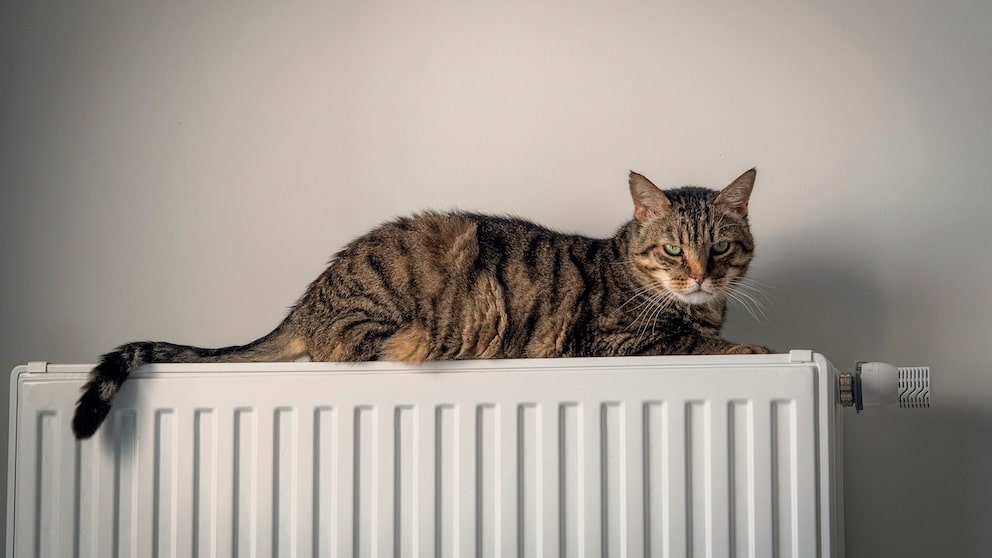
How much cold cats can tolerate is as individual as with dogs: The ideal room temperature for short-haired cats ranges between 20 and 25 degrees Celsius. Long-haired cats can handle slightly cooler temperatures, feeling comfortable between 18 and 23 degrees Celsius. An outdoor cat with a thicker winter coat and in good health can withstand temperatures as low as minus 20 degrees Celsius. However, most cats prefer a cozy spot by the tile stove.3
How to Tell if Your Cat is Cold:
- curling up
- puffing up fur
- seeking warmth
- less activity
- restlessness/meowing
When Does It Get Too Cold for Small Animals?
The temperature should be right not only for dogs and cats but also for small animals. Rodents have cozy fur that protects them from the cold, but they also have comfort temperature ranges.
Rabbits
Rabbits feel most comfortable at temperatures between 15 and 20 degrees Celsius. Long-haired breeds, such as Lionheads and Rex rabbits, are somewhat more sensitive because they don’t have a dense topcoat. Generally, rabbits tolerate cold better than heat.4
Guinea Pigs
These South American rodents feel comfortable at 15 to 20 degrees Celsius. If they live outdoors, the temperature should not drop below 12 degrees Celsius at night. They have more trouble with high temperatures. At 25 degrees Celsius, they feel uncomfortable, and temperatures above 30 degrees Celsius can lead to heatstroke.5
Hamsters
Hamsters are nocturnal and cannot sweat, but they can feel cold. European golden hamsters start to feel cold at temperatures below 18 degrees Celsius. For dwarf hamsters, the limit is 15 degrees Celsius. These temperatures should not be undershot, or the domesticated hamster might enter hibernation. It’s best to provide them with extra bedding and other materials to pad their sleeping house.6,7

Can Rabbits Stay Outside in Winter?

Why air conditioners and fans are dangerous for dogs and cats
The Perfect Temperatures for Pet Birds
In general, if your bird puffs up, it could be a sign that it’s too cold.
Budgerigars
Budgerigars feel most comfortable at temperatures between 10 and 26 degrees Celsius and are most active at these temperatures. They dislike strong temperature fluctuations and can catch a cold if exposed to prolonged drafts in winter. Therefore, their cage should be in a sheltered spot.8
Canaries
Canaries come from warmer regions. Nevertheless, they handle cold well. They can withstand temperatures as low as minus 20 degrees Celsius and can be kept in an outdoor aviary in winter. Their dense plumage keeps them warm even in subzero temperatures. They should not be exposed to drafts.
Cockatiels
Cockatiels prefer a draft-free location, with the optimal comfort temperature between 18 and 25 degrees Celsius. For the darker season, there are UV bird lamps for sufficient daylight. You should check beforehand how much electricity these require.9,10
Conclusion
Most of our pets are protected from lower temperatures by their cozy fur or dense plumage. Some have thick undercoats, others long shaggy fur, while some need a protective coat due to their short fur and low body fat. Like humans, our pets are individuals with different needs–and this also applies to the optimal room temperature.