

September 28, 2026, 11:11 am | Read time: 3 minutes
Many pet owners have their dogs or cats chipped but then forget a crucial step. PETBOOK explains when the microchip is required, what it actually stores, and how it helps find lost pets.
Which Pets Must Be Chipped?
In Germany, there is currently no uniform regulation for mandatory microchipping of pets. Therefore, the requirements vary depending on the state, municipality, dog breed, and classification of the animal. In some states, chipping is mandatory for dogs, while the regulations for cats are usually set in municipal cat protection ordinances.
Anyone wishing to travel outside Germany with their pet needs an EU pet passport. Since 2012, dogs, cats, and ferrets must be microchipped for this passport to be issued.
General Microchip Requirement for Dogs:
- Berlin
- Brandenburg
- Thuringia
- Hamburg
- Lower Saxony
- Saxony-Anhalt
- Schleswig-Holstein
For listed and dangerous dogs:
- Bavaria
- Hesse
- Bremen
- Rhineland-Palatinate
- North Rhine-Westphalia (also applies to dogs with a shoulder height of 40 cm or a weight of 20 kg)1
How Is a Pet Chipped?
The small transponder implanted in the animal’s neck or shoulder stores a 15-digit number. The veterinarian implants the chip using a special syringe. It remains there while the corresponding spot is noted in the pet passport. A chip costs about 20 to 45 euros, with an additional 10 to 25 euros for implantation.
Since chipping can also be stressful for animals, veterinarians recommend careful planning. For example, if a cat is being neutered, the chip can be implanted while under anesthesia.
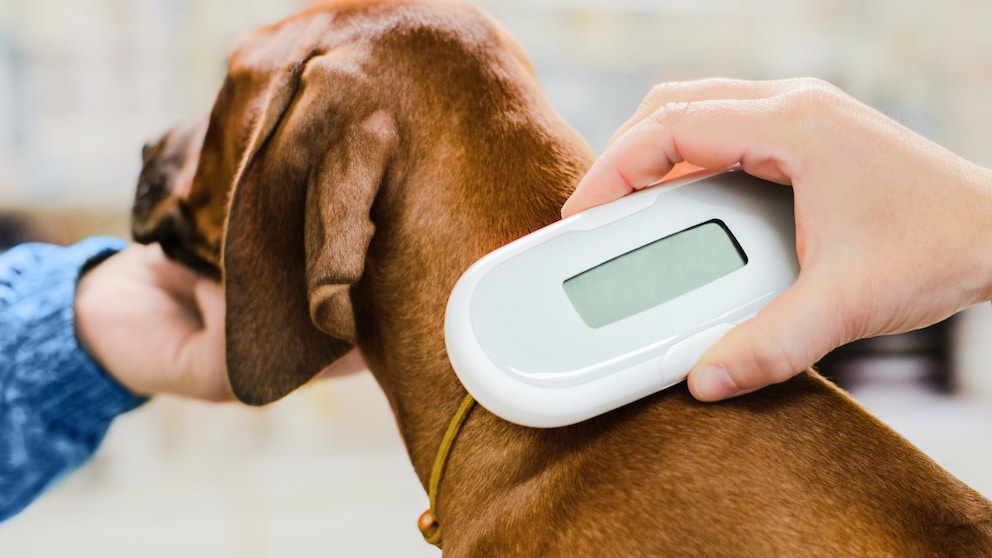
Once the pet has the chip, any veterinarian or animal shelter can read the animal’s number with a special reader.
Also interesting: This basic equipment is needed for dogs at the beginning

Vacationing with Your Dog–Gear, Vaccinations, Travel Kit

Rabid Dog Entered Germany With Fake Vaccination Stickers
Pets Should Be Registered After Chipping
The number is especially helpful if a pet is lost. However, the identification number, information about the pet, and the owner’s contact details should be stored in a database such as Tasso, Findefix, or the International Central Animal Registry (IFTA) online. Registering your phone number in one of these databases makes returning a lost pet much easier and faster.2
Important: The microchip does not store an address or medical records. The transponder only contains a unique identification number. Only linking this number with the owner’s data in a pet registry allows for the return of a found animal.
Another advantage: Electronic pet doors or feeders with built-in sensors recognize the household’s animals and allow only them access or to their food.
Can a Lost Pet Be Tracked via the Chip?
Unfortunately, owners cannot track their lost pet with just the microchip. A microchip has neither GPS nor its own power supply. It also does not continuously transmit the animal’s location. The number can only be read from a short distance with a suitable reader. To actively track a pet, a separate GPS tracker on the collar or harness is needed.
With material from dpa