

October 1, 2025, 3:14 pm | Read time: 3 minutes
Anyone who lives with animals knows it all too well: a small slip, a scratch in the barn, or a scrape after playing–injuries are just part of everyday life. And then that anxious question arises again: What can I apply to my animal’s wound without causing more harm than good?
When I think of the medicine cabinet from my childhood, an image immediately comes to mind: a rust-colored ointment. I was constantly on the move–and just as often covered in scratches. After every fall, first came disinfection, then a bandage with this mysterious ointment. It worked almost like magic and noticeably sped up healing.
Later in the horse stable, I encountered it again: Betaisodona, ubiquitous for small scratches and scrapes. But at home, it was strictly forbidden–it was never to be used on the cats. Why is that? And what about dogs? 1
What is Betaisodona?
Betaisodona is available as a solution or ointment and contains the active ingredient povidone-iodine. This releases iodine, which reliably kills bacteria, viruses, and fungi. In human medicine, Betaisodona is primarily used for skin disinfection before surgeries–to eliminate germs and reduce the risk of infection.
Also interesting: Why dogs sniff our crotch
Can I use Betaisodona on my animals?
The answer, as so often, is disappointing: It depends. Every organism reacts differently to active ingredients–a blanket recommendation is therefore not possible. However, it is clear: For horses and dogs, Betaisodona can generally be part of the emergency kit. Still, wounds or skin infections should always be checked by a veterinarian.
Particularly with dogs, caution is advised. Application should only be done in consultation with a veterinarian–and above all, the dog must not lick the treated area. Ingesting povidone-iodine can be life-threatening for them. 2
Horses can be treated with Betaisodona
When horses frolic with their peers in the pasture, small wounds can quickly occur. To treat these, some horse owners turn to the “all-rounder” from the stable pharmacy. However, it is essential to ensure that no dirt remains in the wound–hygiene is crucial. It is helpful to rinse the wound once and then apply the antiseptic. For deep and bloody wounds, a veterinarian should be consulted immediately. 3

What a First Aid Kit for Cats Should Include

Vacationing with Your Dog–Gear, Vaccinations, Travel Kit
For cats, the ointment is deadly
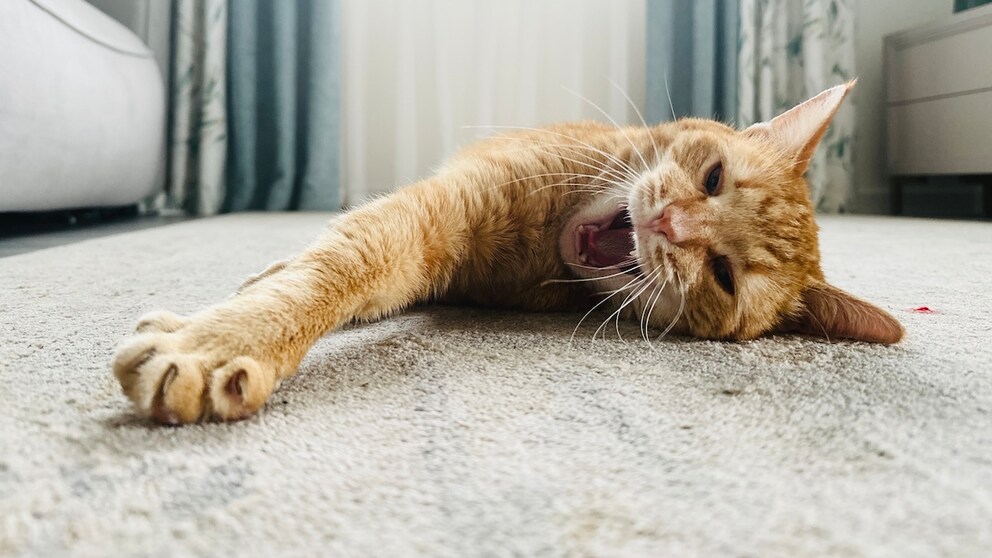
Contrary to some widespread advice, Betaisodona should not be used on cats. Their bodies react sensitively to povidone-iodine–even small amounts can lead to poisoning and, in the worst case, be life-threatening. Anyone wanting to treat a small wound on their cat should use iodine-free products. Antiseptics with octenidine are recommended.
Conclusion
Betaisodona can be a valuable aid in many home and stable pharmacies–provided it is used correctly. While horses can be well cared for with it and dogs should only be treated after consulting a veterinarian, extreme caution is required with cats: Povidone-iodine is dangerous for them. To be safe in an emergency, it’s better to have an iodine-free antiseptic like octenidine on hand for cats.