


May 15, 2026, 12:07 pm | Read time: 7 minutes
Protein bars for dogs. AI cat flaps that keep out mice. Mystery boxes for pets based on the popular Labubu figures. And in the midst of it all, the big question: When does care become anthropomorphism? Every two years, the international pet industry gathers at the “Interzoo” trade fair in Nuremberg. PETBOOK was on site in 2026. Amid smart AI technology, health hype, and luxurious lifestyle products, one thing was clear: Pets are now treated like full-fledged family members—with all the pros and cons.
Anyone who spends two days at Interzoo 2026 in Nuremberg quickly realizes: The pet industry wants to be more than just a supplier of accessories and food. At the world’s leading trade fair with around 2,400 exhibitors from about 70 countries and 15 halls, one thing was particularly evident: Pets are increasingly being treated like family members—with everything that entails.
And this is precisely reflected in the trends that particularly caught the attention of the PETBOOK editorial team.
Health Is the New Premium
The by far biggest trend at Interzoo 2026: healthcare. In other words, everything that aims to keep dogs, cats, or rabbits as healthy, fit, and long-lived as possible.
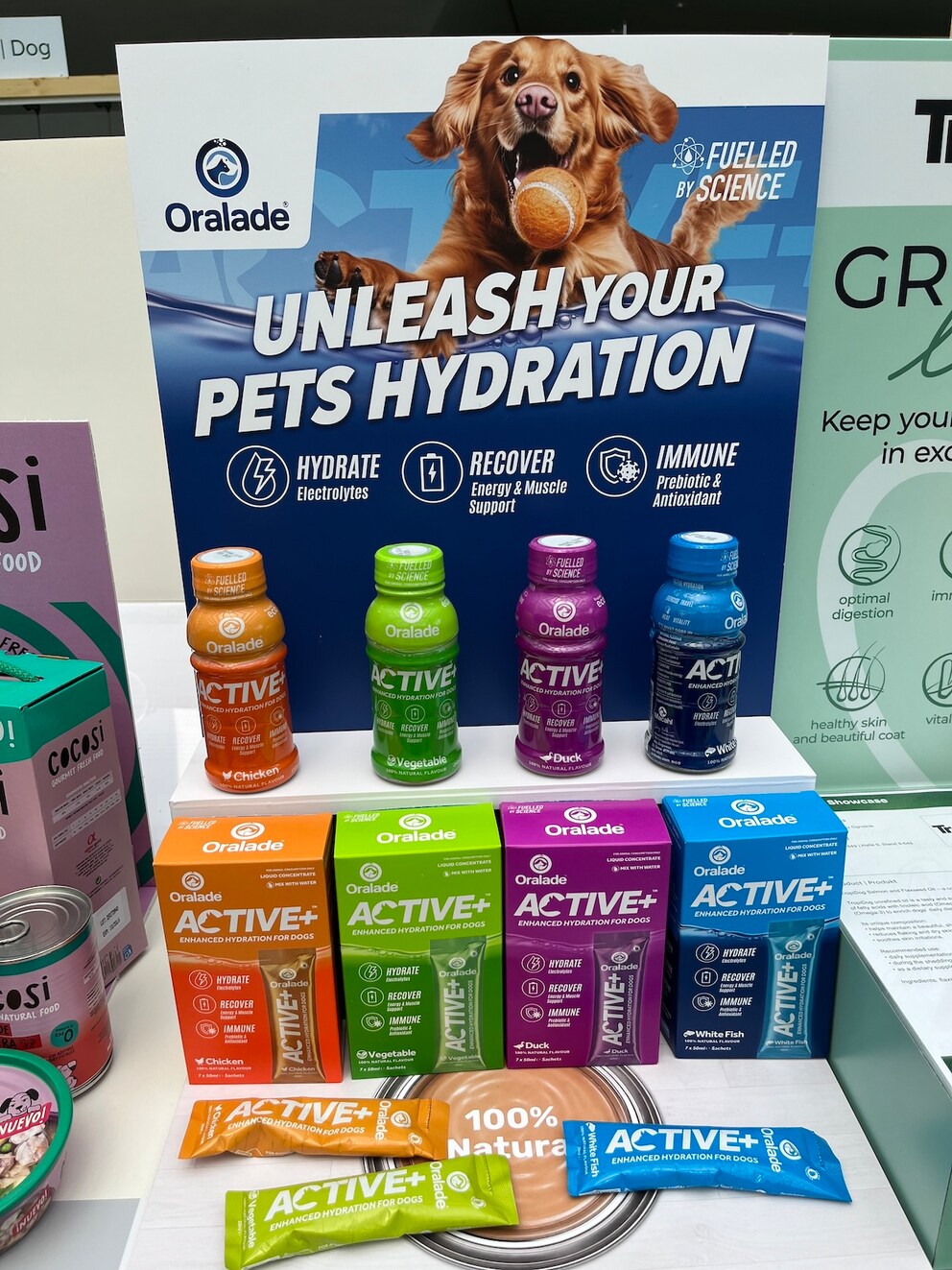
Hardly any booth was without additives, powders, or functional snacks. Collagen for fur, electrolyte drinks for active dogs, microbiome supplements, calming snacks, or vitamin mixes—many things were more reminiscent of a fitness fair for humans than a pet fair.
The “Big Hype”: Functional Snacks
Jan Wittmann, CEO of the dog app Dogorama, also observes this trend: “Functional snacks” are currently “the big hype.” Products are no longer just supposed to taste good but are said to actively support joints, strengthen the immune system, or reduce stress. At the same time, more and more nutrition trends from the human world are spilling over into the pet market—from collagen to electrolytes.
This also fits with the official classification of the fair. ZZF President Norbert Holthenrich explained in the press release that pet owners are increasingly becoming “health managers” for their animals. Accordingly, the demand for health-promoting products is growing strongly.
Particularly striking: The industry now thinks of health far beyond food. At Interzoo 2026, we saw intelligent trackers for heartbeat and breathing, cat litter that can detect diseases based on color changes, and new temperature measuring devices for dogs and cats.
AI Enters Everyday Pet Life
Artificial intelligence was omnipresent at Interzoo—often with quite practical applications.
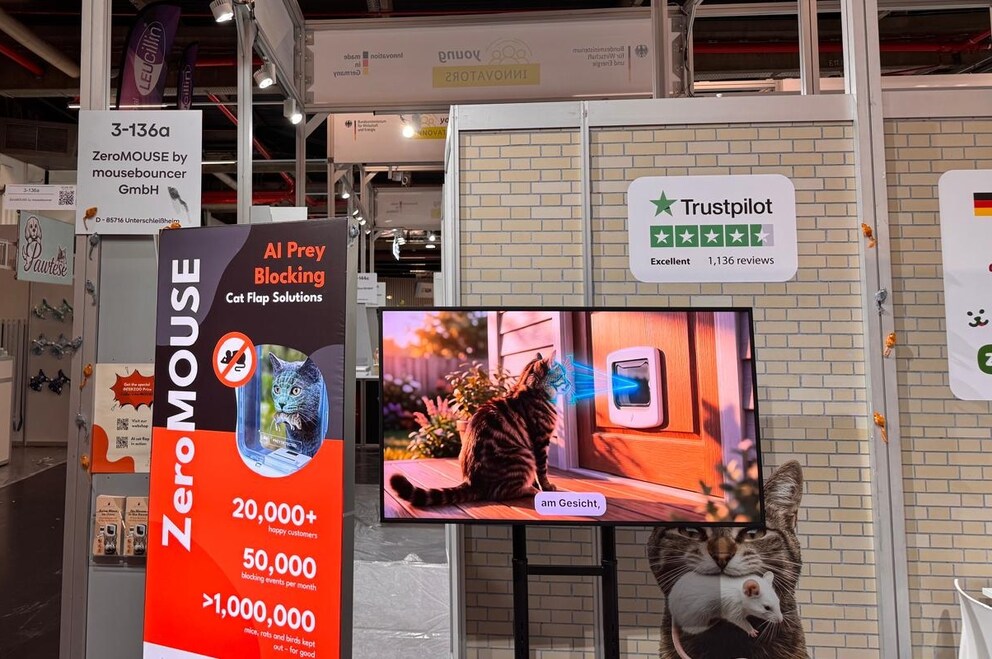
The cat flap from ZeroMOUSE™ attracted a lot of attention. The system photographs the cat as it enters and uses AI to analyze whether it is carrying prey in its mouth. If the software detects a mouse, bird, or even just a tail, the flap remains locked.
The reactions at the booth were correspondingly clear. “AI solves a real everyday problem here: no more dead animals in the living room,” the company explained. Many visitors wanted the product immediately.
Interestingly, the technology now goes far beyond mere prey detection. The new generation, according to the manufacturer, also recognizes individual cats by their faces—a microchip will no longer be necessary in the future.
This was repeatedly evident at Interzoo 2026: AI is intended to make pet ownership more convenient. Self-cleaning litter boxes, automatic feeding stations, or surveillance cameras are now almost standard.
The PETBOOK editorial team, however, views this development with some skepticism. Many products subtly convey the message that animals can be left alone for long periods because technology takes over daily tasks. We find this particularly problematic with cats.
Pets Are No Longer “Cargo”
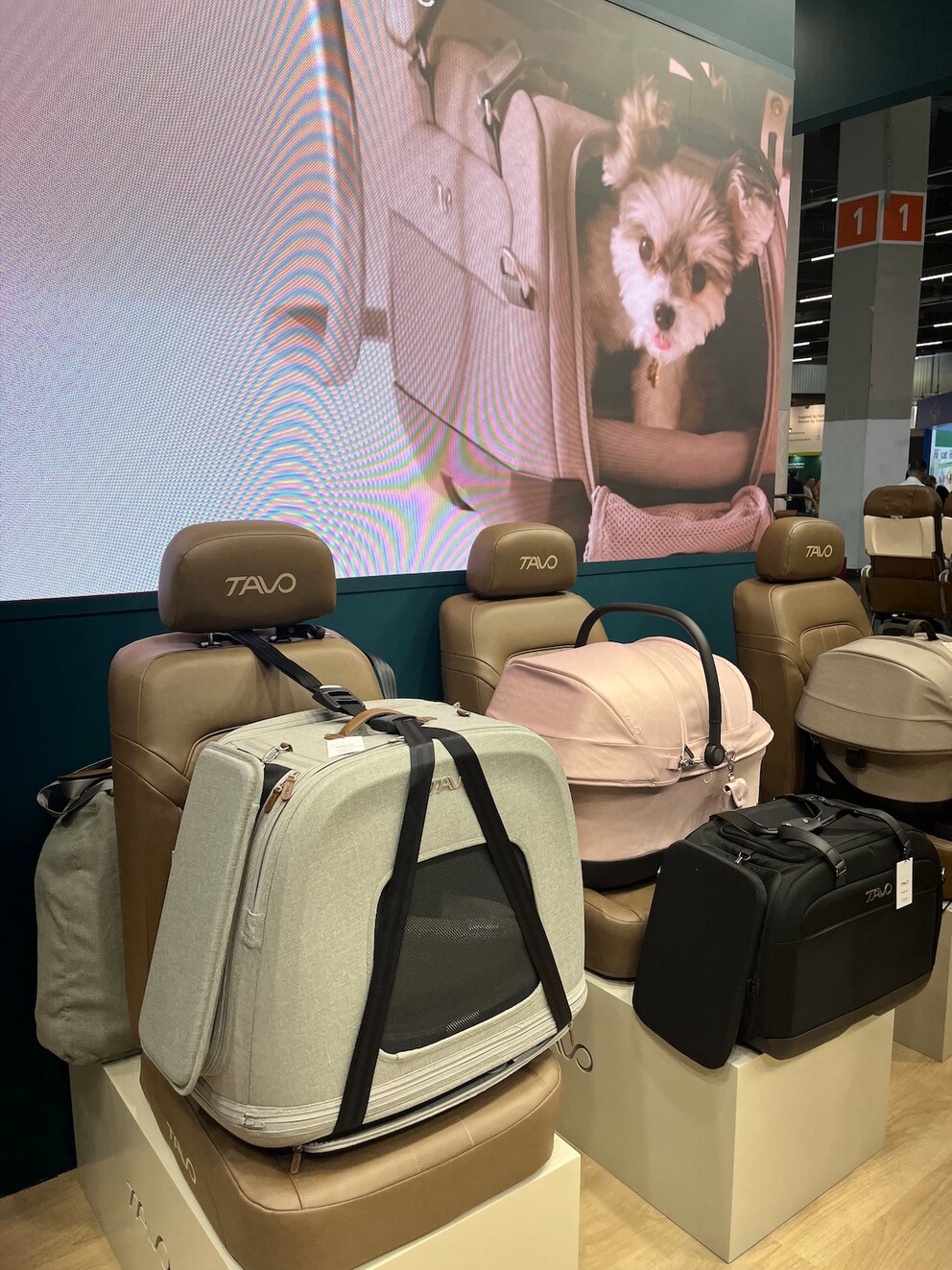
Expectations are also rising for accessories. Pets are considered cargo in cars and are secured accordingly. Today, however, it’s not just about preventing our dog from becoming a projectile in an accident. We also want them to survive. Modern transport boxes are now modeled after baby carriers and child seats. Manufacturers like Tavo rely on crash-tested systems with crumple zones and Isofix-compatible mounts.
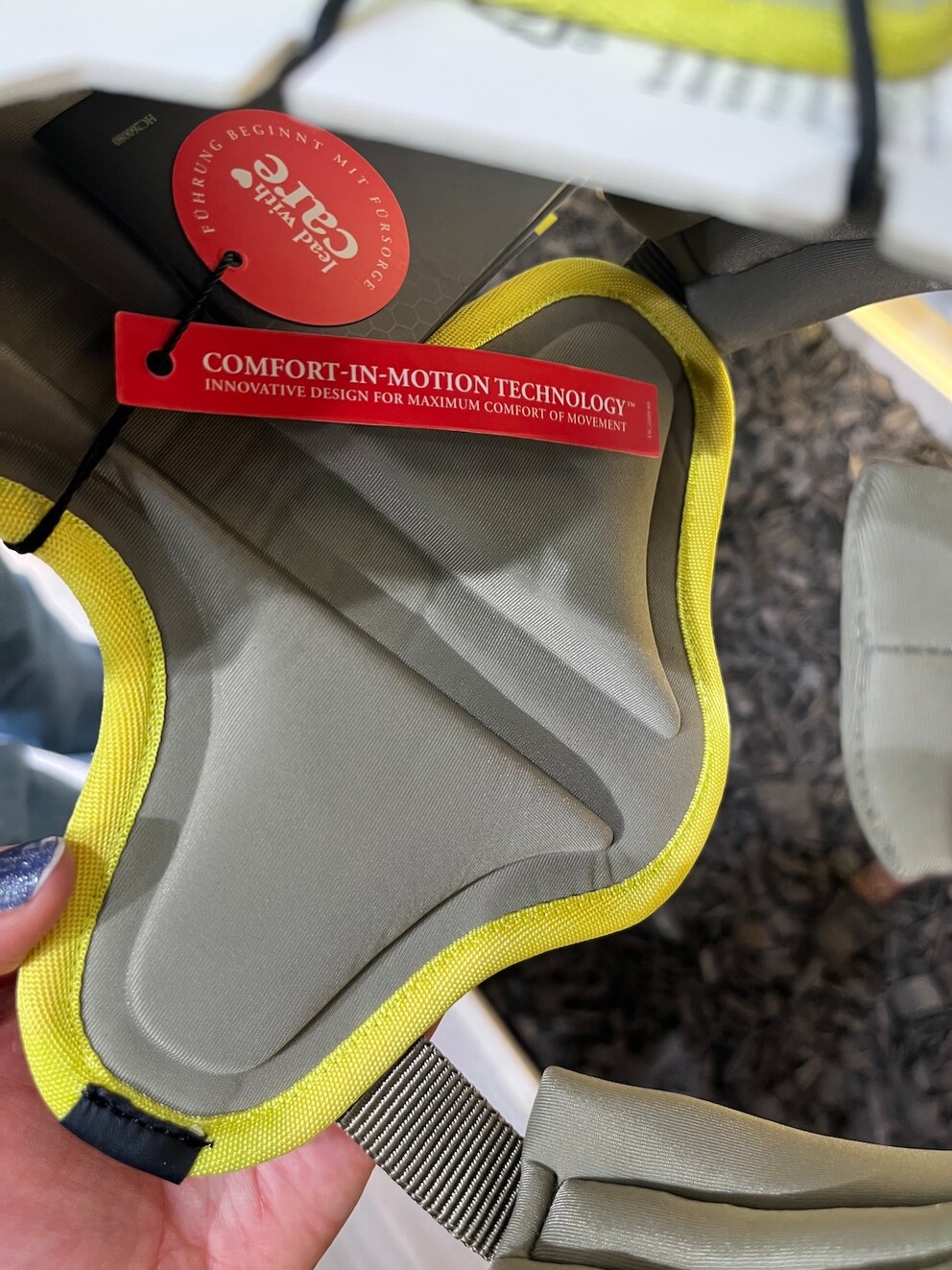
The German family business Hunter also shows that pets are not just meant to function—they should feel good: Co-CEO Jan Oßenbrink presented a new dog harness with a magnetic closure and particularly ergonomic fit—inspired by horse saddles. The idea is for the dog to feel as if it’s not wearing a harness at all. There are hardly any friction points or movement restrictions.
Labubus for Dogs?
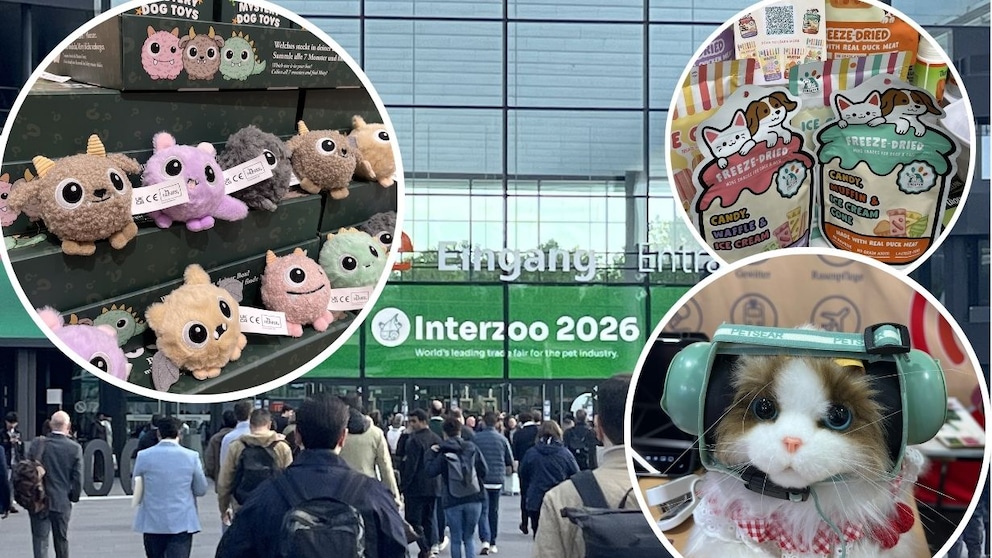
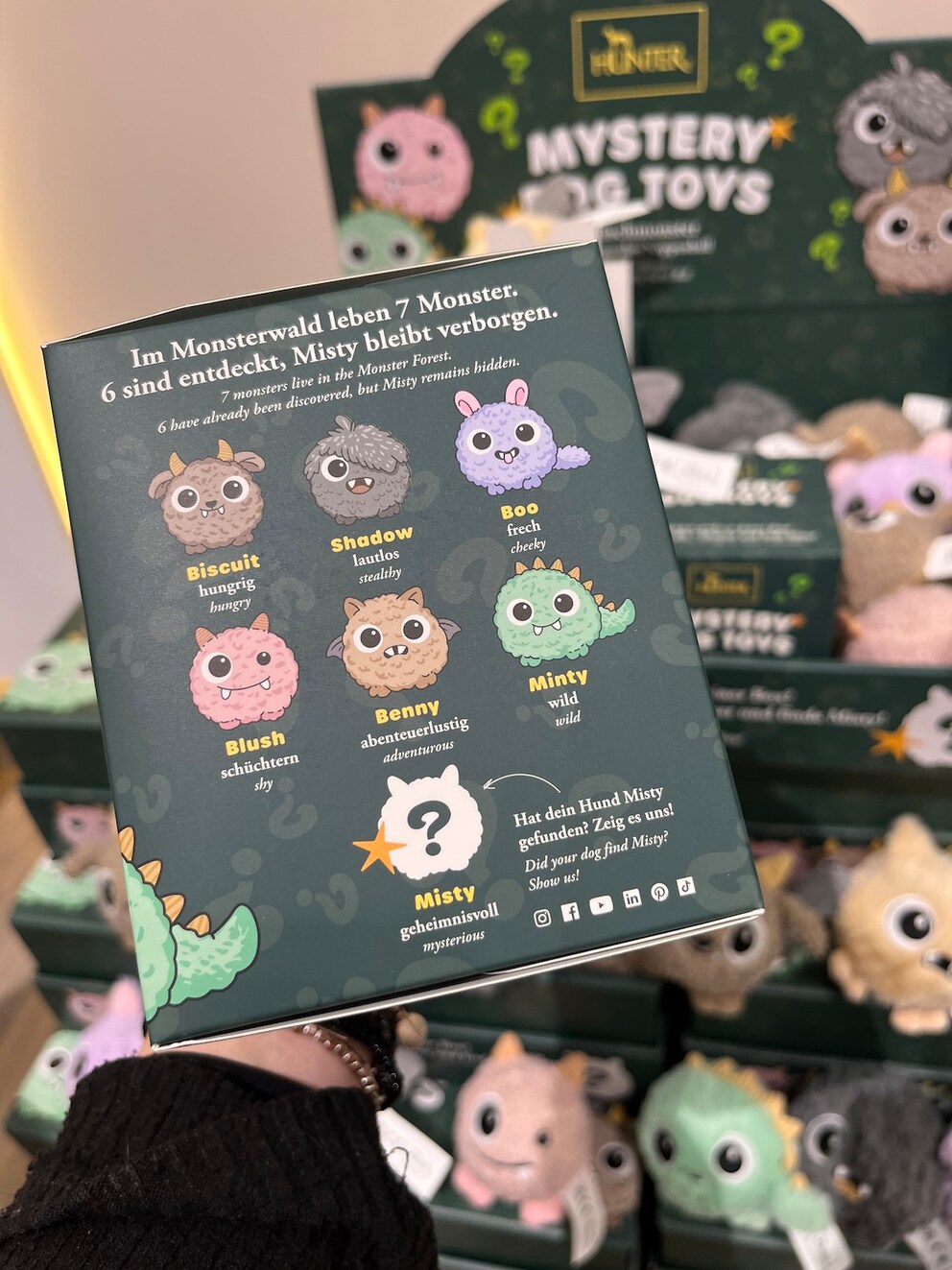
Like many companies in the industry, Hunter is now also oriented towards human lifestyle and social media trends: with so-called mystery boxes that work on the principle of the popular Labubu collectible figures. Buyers don’t know in advance which toy or stuffed animal they will receive. Particularly rare variants are intended to increase the collecting appeal.
And visually, the boundaries between the animal and human worlds are increasingly blurring. The fair featured artistic dog cakes, waffle mixes, ice cream, and pastries for pets—perfectly staged for social media.
These Pet Products Surprised Us the Most at Interzoo 2024

PETBOOK author at Pet Fair: “The robot dog was disconcerting and strange”
Sustainability? Suddenly Plays a Smaller Role Again
It was surprising, however, which major trend of recent years seemed significantly less present at the fair: sustainability.
Although Interzoo officially continues to emphasize sustainable production, alternative protein sources, and resource-saving materials as central future themes, the exhibition halls themselves presented a different picture at first glance. Which is unfortunate, because many companies still place value on sustainability, environmentally friendly production, recyclable materials, and also support animal welfare. However, as a consumer, you often only notice this if you look closely.
Dogorama CEO Jan Wittmann openly stated that sustainability has become “unsexy” for many pet owners. Instead of ecological aspects, the focus is often more on the feeling of doing something good for the pet.
The PETBOOK editorial team also noticed: a lot of colorful plastic, heavily promoted mineral cat litter that causes 630,000 tons annually, and significantly fewer sustainable innovations than two years ago. At the same time, the market is increasingly shifting towards premium— especially international manufacturers are focusing more on high-quality, luxurious products.
Where the Industry Still Has Room for Improvement
Despite all the innovation, criticism also lingered at Interzoo.
Some manufacturers still advertise with breeding defects—such as heavily overbred French Bulldogs. Particularly irritating: Animals with severe breathing problems were sometimes showcased with ball toys.
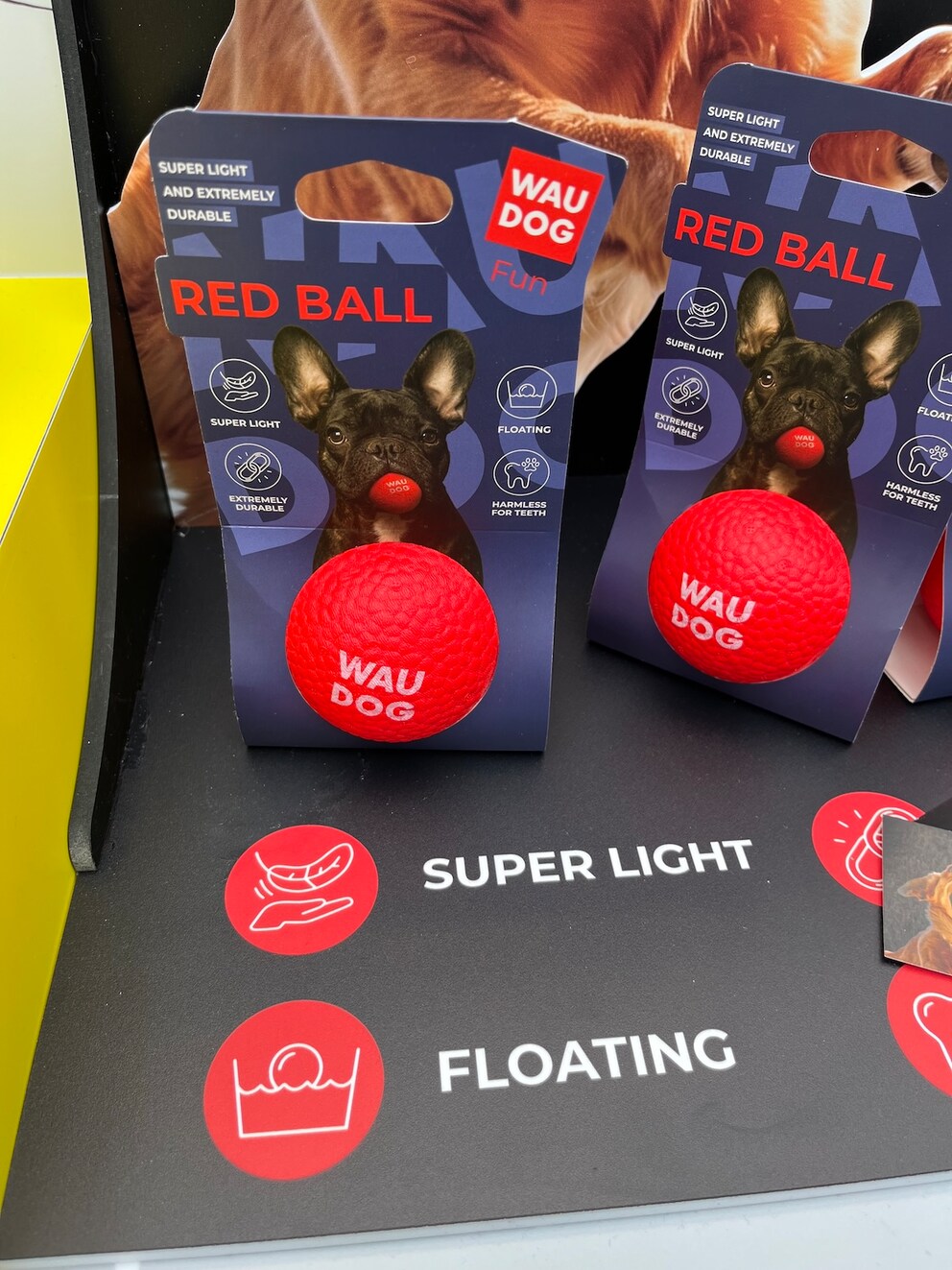
The ZZF emphasizes that they actively address exhibitors on this issue and raise awareness among international companies about animal welfare. Especially outside Germany, there is often still a lack of awareness.
Nevertheless, the fair overall clearly showed where the pet industry is heading: away from simple pet supplies, towards an emotionalized, technologized, and high-priced experience world around pets.
In other words, dogs and cats are no longer just cared for. They now receive the same lifestyle as their owners—including supplements, smart home technology, and surprise boxes.