

July 27, 2026, 3:34 pm | Read time: 4 minutes
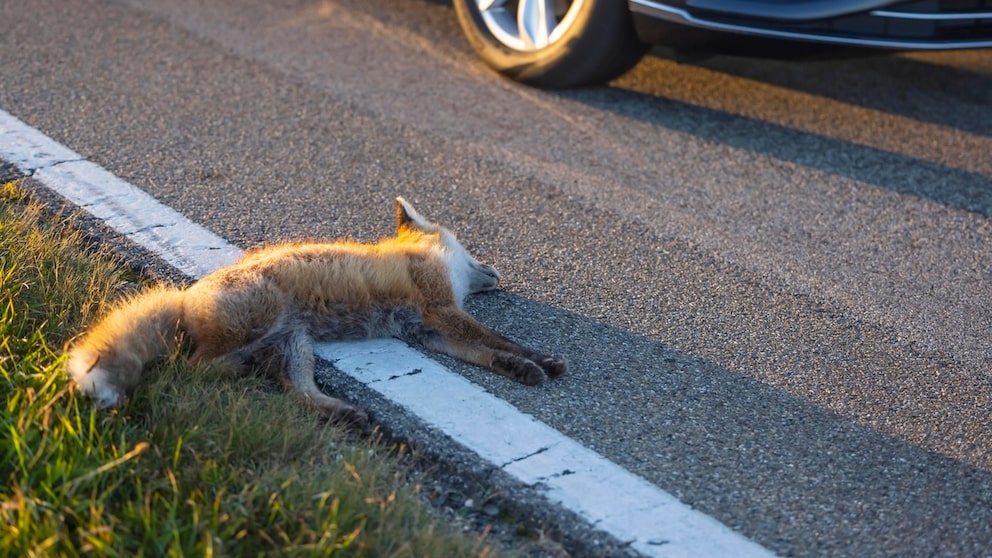
A dog gets hit by a car, an injured deer lies by the roadside, or a stray cat urgently needs help–in such situations, many people act on instinct. However, not everything well-intentioned is legally permissible. Can I drive too fast to the animal clinic with my dying dog? Am I required to help an injured wild animal? And who actually pays the vet bill? PETBOOK spoke with attorney Nicole Mutschke to clarify the most important legal questions regarding animal emergencies.
Can I Drive Too Fast to the Animal Clinic with My Dying Dog?
Those who want to quickly get their severely injured or dying dog to the animal clinic may face a moral dilemma. On one hand, every minute counts; on the other, traffic rules still apply even in an emergency.
“The justifying emergency can generally apply to animals,” explains attorney Nicole Mutschke. However, courts always weigh the animal’s welfare against the risk to other road users. This means: If you drive through a town at excessively high speeds or endanger others, you cannot simply cite your dog’s emergency as justification.
A genuine animal emergency can, in individual cases, lead to a reduced fine. However, there is no free pass for speeding.
I Hit an Animal–What Do I Need to Do Now?
Mutschke explains: “The criminal provision for failure to provide assistance only applies to humans. However, if you hit an animal, you cannot simply leave it to its fate. If you caused the dangerous situation, you must at least ensure that help is organized.” The law distinguishes between pets and wild animals:
Hit a Dog or Cat
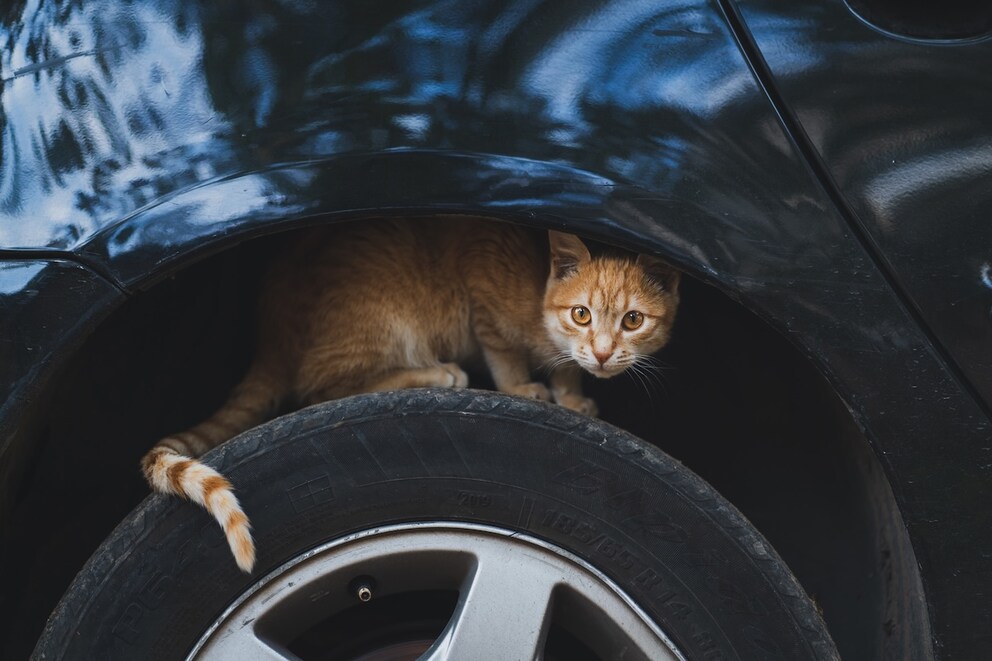
“For a pet like a dog or cat, quick help for the injured animal is paramount. You should stop, secure the animal, and promptly notify a veterinarian or the police,” advises Mutschke. If the animal is transportable, you can usually take it to the vet yourself. This is often even advisable, as it allows you to quickly help the animal and locate the owner.
Hit a Deer or Wild Boar
Different rules apply to wild animals. “You should also stop and organize help here. However, you should not independently make decisions about the animal,” says the attorney. After a wildlife accident, you should inform the police, who will then notify the responsible hunter or leaseholder.
“An injured deer or wild boar should not simply be taken away,” emphasizes Mutschke. Immediate necessary help is allowed, but further care is decided by the responsible authorities.
The rule of thumb is: “You can regularly take pets into custody to protect them. For wild animals, you should first contact the responsible authorities.”
Also interesting: When hunters are allowed to shoot dogs and cats

Found a Fox in Distress? Expert Warns Against Common Mistakes

Who Shot Cat Nando? Police Close Investigation Despite Evidence
Do I Have to Pay the Vet Bill After an Accident?
If you hit a dog or cat, you usually have to cover the vet costs. “Legally, a pet is considered the property of its owner. The treatment costs can therefore be claimed as damages,” says attorney Nicole Mutschke.
It can be different if the pet owner is partly at fault–for example, if a dog runs onto the street without a leash. “Then the costs can be shared between the parties,” says the attorney. This question usually doesn’t arise with wild animals. Their care is typically handled by the responsible authorities, such as the designated hunter or a wildlife station.
Am I Liable If I Hit My Own Pet?
If you accidentally hit your own dog or cat, you are generally not liable. “An accident remains an accident,” says attorney Nicole Mutschke. Pet owners are, however, obligated under animal protection laws to protect their animals from unnecessary pain, suffering, and harm.
If you realize your pet is severely injured but deliberately do not organize help and let it suffer for an extended period, you may violate this duty. The animal protection law even provides for liability if an animal is subjected to prolonged significant pain or suffering. This can occur if an owner ignores obvious severe injuries and does not provide veterinary care for their pet for hours or days. In such cases, fines or imprisonment of up to three years may be imposed.
The key is not the accident itself, but how you handle the aftermath. If you promptly care for your injured pet or arrange for veterinary help, you generally have nothing to worry about.